
Overview
The Seaweed Population Genetics program, led by the Alaska Department of Fish and Game’s (ADFG) Gene Conservation Laboratory, is conducting advanced genetic research on Alaska’s main kelp species to inform sustainable mariculture policies, protect wild kelp populations, and support responsible industry growth. This $2.2 million program is funded through Research & Development grant component of the Alaska Mariculture Cluster (AMC).
As Alaska’s mariculture industry continues to grow, data-driven policy decisions will be essential for balancing economic opportunity with ecological responsibility. The Seaweed Population Genetics program is contributing to the scientific foundation needed to secure Alaska’s leadership in sustainable kelp farming.
Why It Matters
Kelp farming in Alaska has the potential to catalyze a viable and sustainable mariculture industry in Alaska for the long-term benefit of the state’s economy, environment, and communities. However, genetic interactions between farmed and wild kelp pose potential risks to the genetic diversity, fitness, and resilience of wild kelp populations.
To mitigate these risks while also supporting industry opportunities, the Seaweed Population Genetics program is conducting extensive research on three commercially important kelp species: Sugar (Saccharina latissima), Ribbon (Alaria marginata), and Bull (Nereocystis luetkeana). Research insights and benefits include:
- Policy Improvements: Providing scientific evidence to update Alaska’s 50-km drift zone and 50-broodstock rule on a regional basis for permitting kelp farms.
- Sustainable Industry Growth: Ensuring farmed kelp populations remain genetically diverse, which guards against inbreeding and genetic degradation.
- Economic Opportunities: Supporting responsible expansion of Alaska’s kelp industry, benefiting coastal communities and Indigenous mariculture entrepreneurs.
- Ecosystem Conservation: Protecting wild kelp forests while enabling sustainable commercial cultivation.
This data will help inform seed acquisition policies, which are currently based on limited information and correspondingly conservative approaches. The Seaweed Population Genetics program will improve regulatory efficiency by identifying areas where seed stock could be shared regionally and/or maintained by hatcheries over multiple years, reducing operational costs at seaweed nurseries and address a major potential bottleneck to growth of Alaska’s seaweed industry.
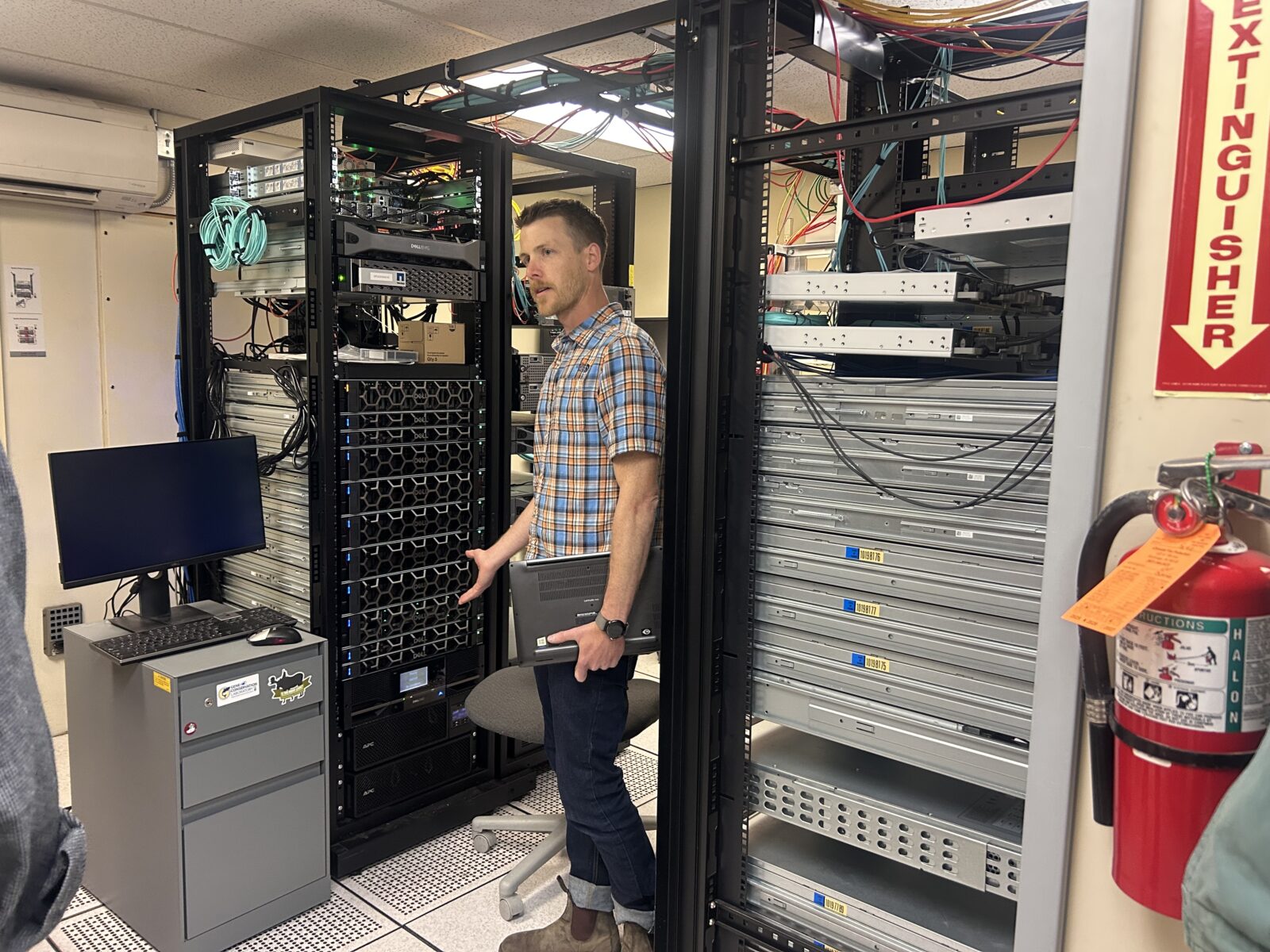

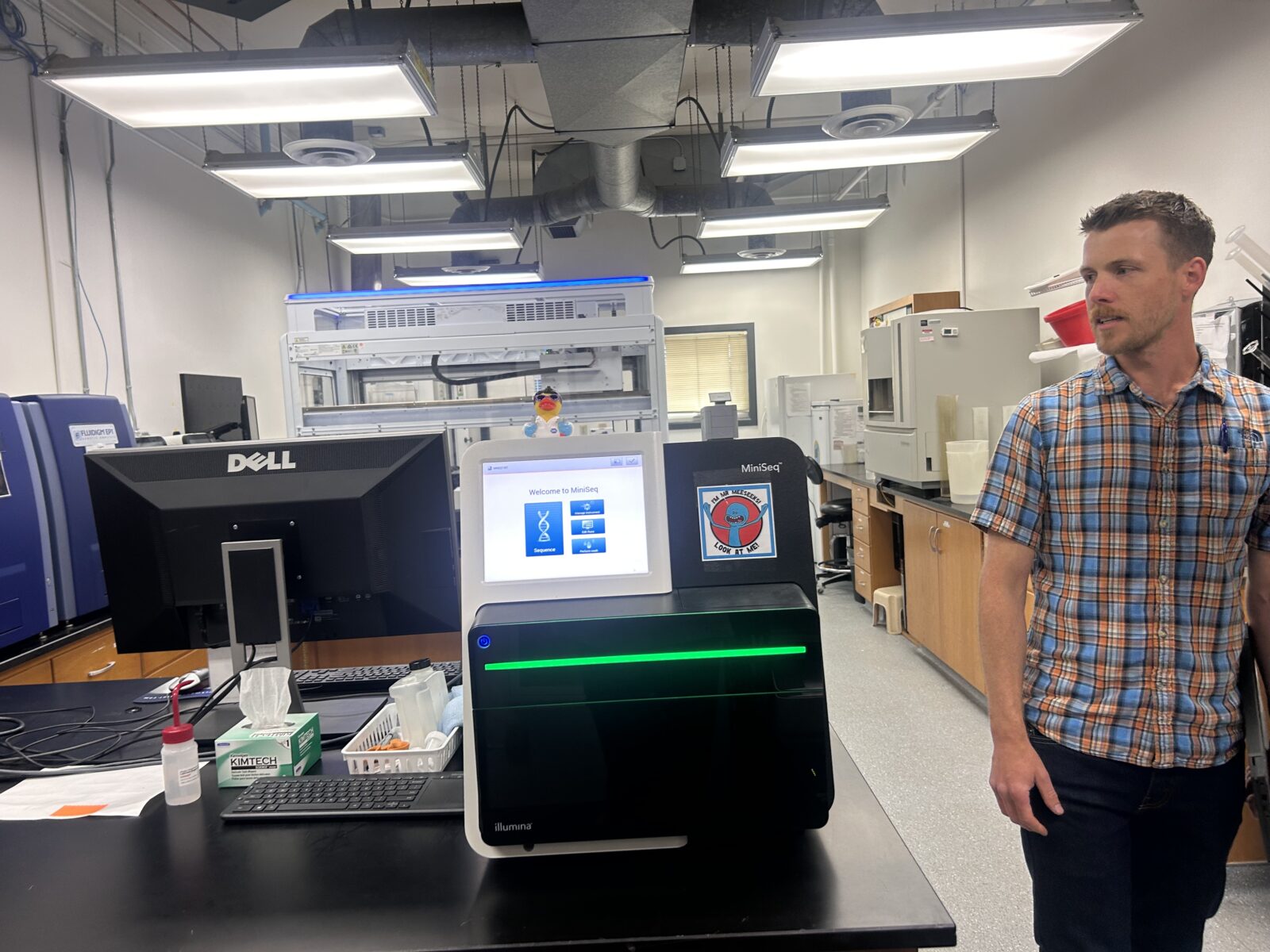
Pictured above: High performance computing cluster, DNA/RNA sequencer. Alaska Department of Fish & Game, Anchorage, AK.
