
Search AMC News
Three-Ribbed Kelp Collective Sampling Project
August 5, 2026
Lead Entities: Alaska Mariculture Alliance, Southeast Conference
Grant Component: Grant Administration
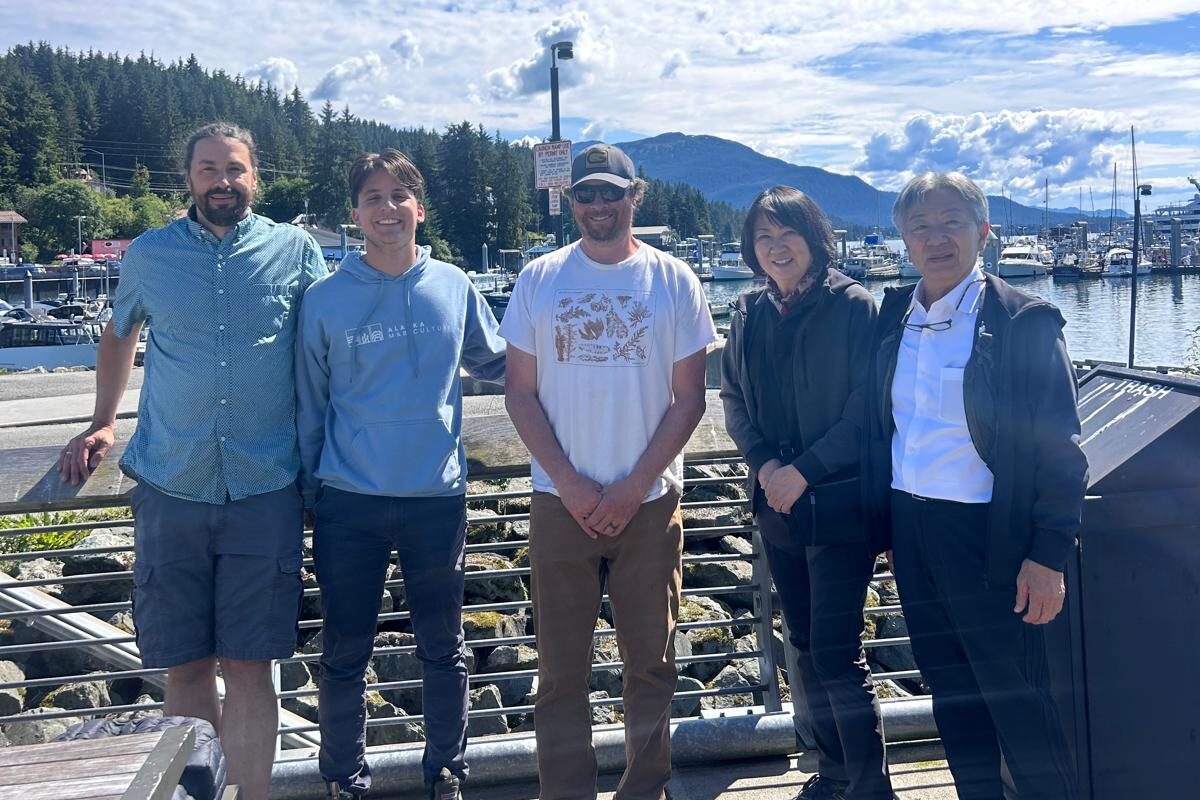
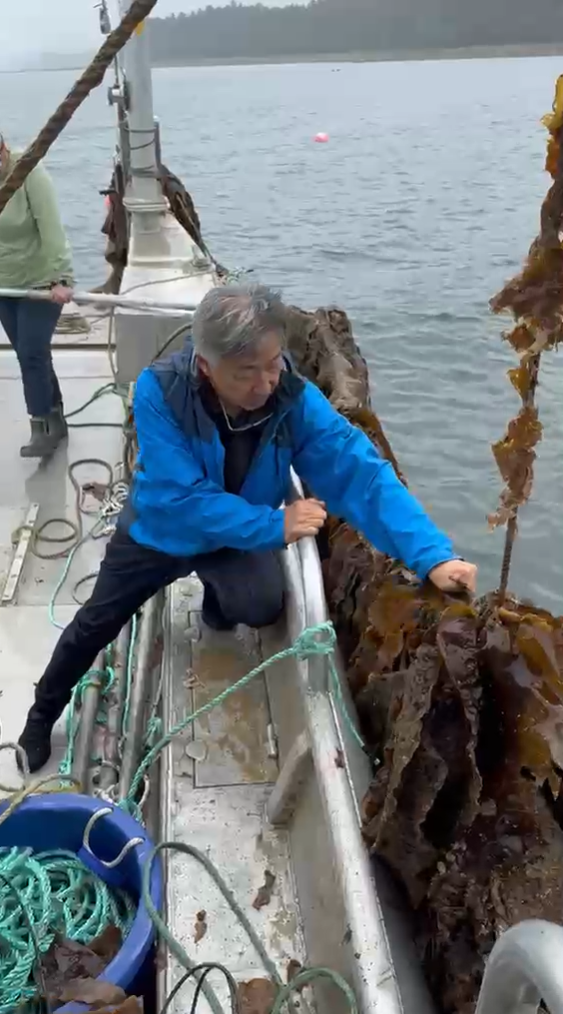
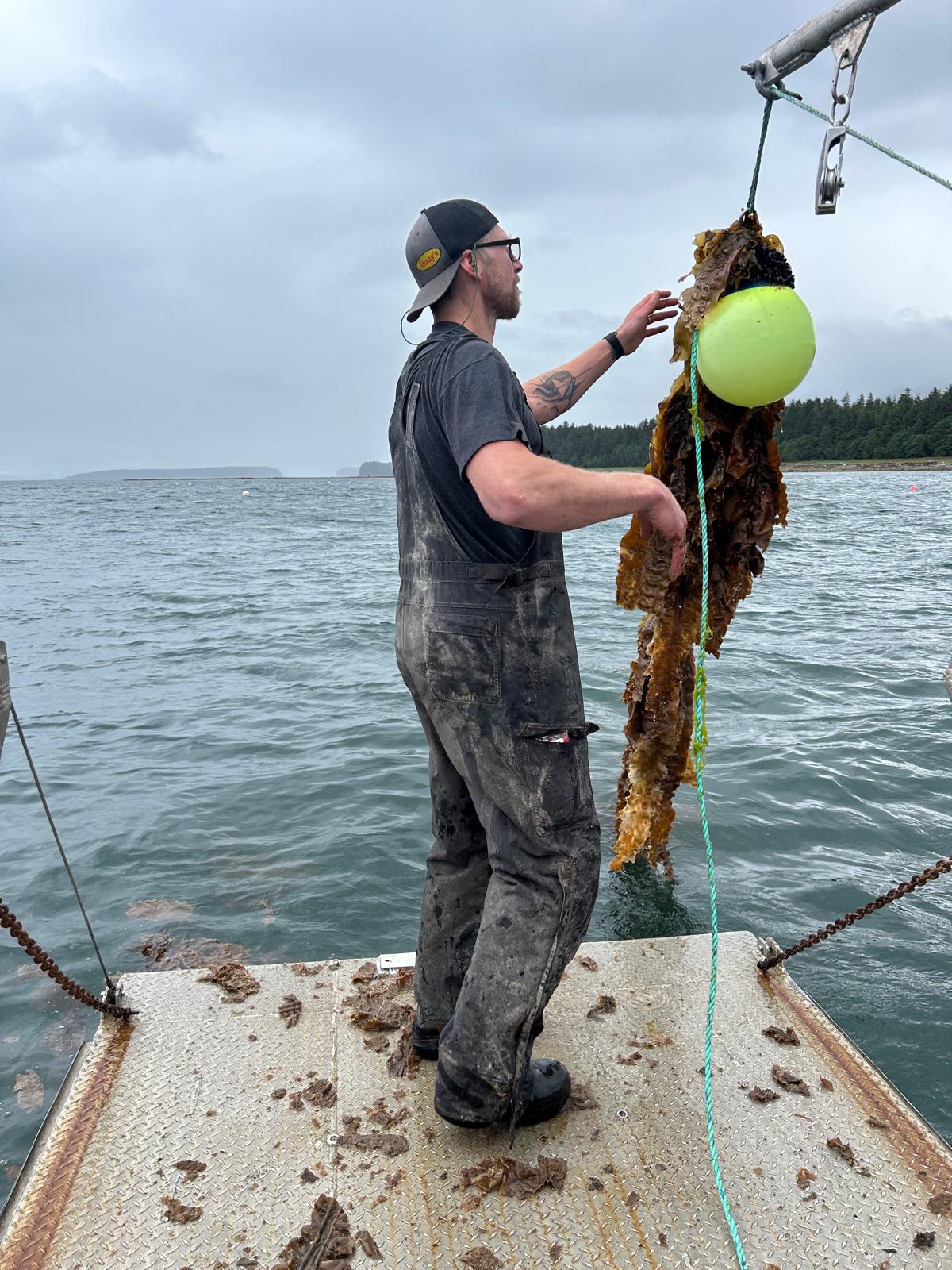
Southeast Conference (SEC) and the Alaska Mariculture Alliance (AMA) are inviting Alaska seaweed farmers to participate in a pilot project to grow, harvest, and process samples of three-ribbed kelp (Cymathaere triplicata) for evaluation by a prospective buyer in Japan, Mitsu Company Limited.
The owner has asked SEC & AMA to coordinate interested Alaska kelp farmers to provide samples from multiple Alaska farms and growing regions and explore the potential for larger commercial orders in future years. Participation in the sampling effort does not represent a purchase commitment or guarantee a future market, but it provides farmers an opportunity to have their product evaluated directly by a Japanese seaweed buyer as this relationship develops.
Action Needed Now:
Interested farmers are encouraged to contact us as soon as possible. Although harvest is not until 2027, farmers interested in participating should begin planning now. Three-ribbed kelp must be authorized for cultivation on your farm site through the Alaska Department of Fish & Game (ADFG). Farmers operating under either commercial or research permits who do not currently have three-ribbed kelp included in their authorization should begin looking into the steps necessary to add the species to their permit. We also understand that farmers and hatcheries are beginning to plan for sorus tissue collection.
Background:
Japan’s kombu production is declining. Today, the nation produces around 22 million dry pounds (10,000 metric tons), but 20 years ago that figure was x3 greater. Mitsu attributes this to environmental factors, largely warming water temperatures.
With greatly reduced supply, Mitsu is exploring Alaska kelp, specifically Cymathaere triplicata (three-ribbed kelp) for Japanese kombu markets as a premium-priced, high-quality product, leveraging Alaska’s brand and association with high quality seafood from pristine waters. Japan has import quotas for foreign seaweed, and certain kelp species are restricted, including many from the genera Laminaria and Saccharina, and require difficult to obtain import licenses. Three-ribbed kelp does not require such a license.
In late July and on short notice, Mitsu was able to visit Alaska to learn more about the industry, establish relationships, and sample products that his firm could introduce to Japanese kombu markets. Following his visit, SEC shipped an initial sample of approximately:
- 10 pounds of salt-cured three-ribbed kelp, processed by Kachemak Kelp in Homer
- 10 pounds of whole-leaf, cabinet dried three-ribbed kelp, processed by University of Alaska Southeast from its research farm in Sitka
This initial shipment will allow Mitsu to further evaluate the species and the feasibility of salt-curing as product format. The larger 2027 collective sampling effort will provide a clearer understanding of what Alaska can offer.
About the Alaska Mariculture Cluster
Southeast Conference (SEC) is the federally designated Economic Development District (EDD) for Southeast Alaska, as well as the state designated Alaska Regional Development Organization. SEC’s mission is to undertake and support activities that promote strong economies, sustainable communities, and a healthy environment in Southeast Alaska.
In September 2022, Southeast Conference was awarded a $49 million U.S. Economic Development Administration (EDA) Build Back Better Regional Challenge (BBBRC) grant to catalyze a viable and sustainable mariculture industry in Alaska, supporting the production of shellfish and seaweed, for the long-term benefit of the state’s economy, environment, and communities.
SEC leads the Alaska Mariculture Cluster (AMC) grant coalition, which includes members of Alaska’s mariculture industry, tribal organizations, regulatory agencies, university system, regional EDDs, trade organizations, and others. A Governance Body, composed of AMC coalition leaders and Tribal executives from each of the project regions, guides the grant’s work and equity metrics.
The AMC has complementary grant components designed to break down barriers and develop Alaska’s mariculture industry. The Overarching Narrative explains how the grant components work together to grow the industry in an equitable and responsible manner. The full project period for the Alaska Mariculture Cluster is October 1, 2022 to September 30, 2026, though some projects may be extended up until May 28, 2027.

