
Search AMC News
2025 Seaweed Tissue Analysis Data Reveals Nutritional and Chemical Composition of Farmed Kelp
March 3, 2026
Lead Entities: Alaska Fisheries Development Foundation, Marine Biologics
Grant Component: Research & Development
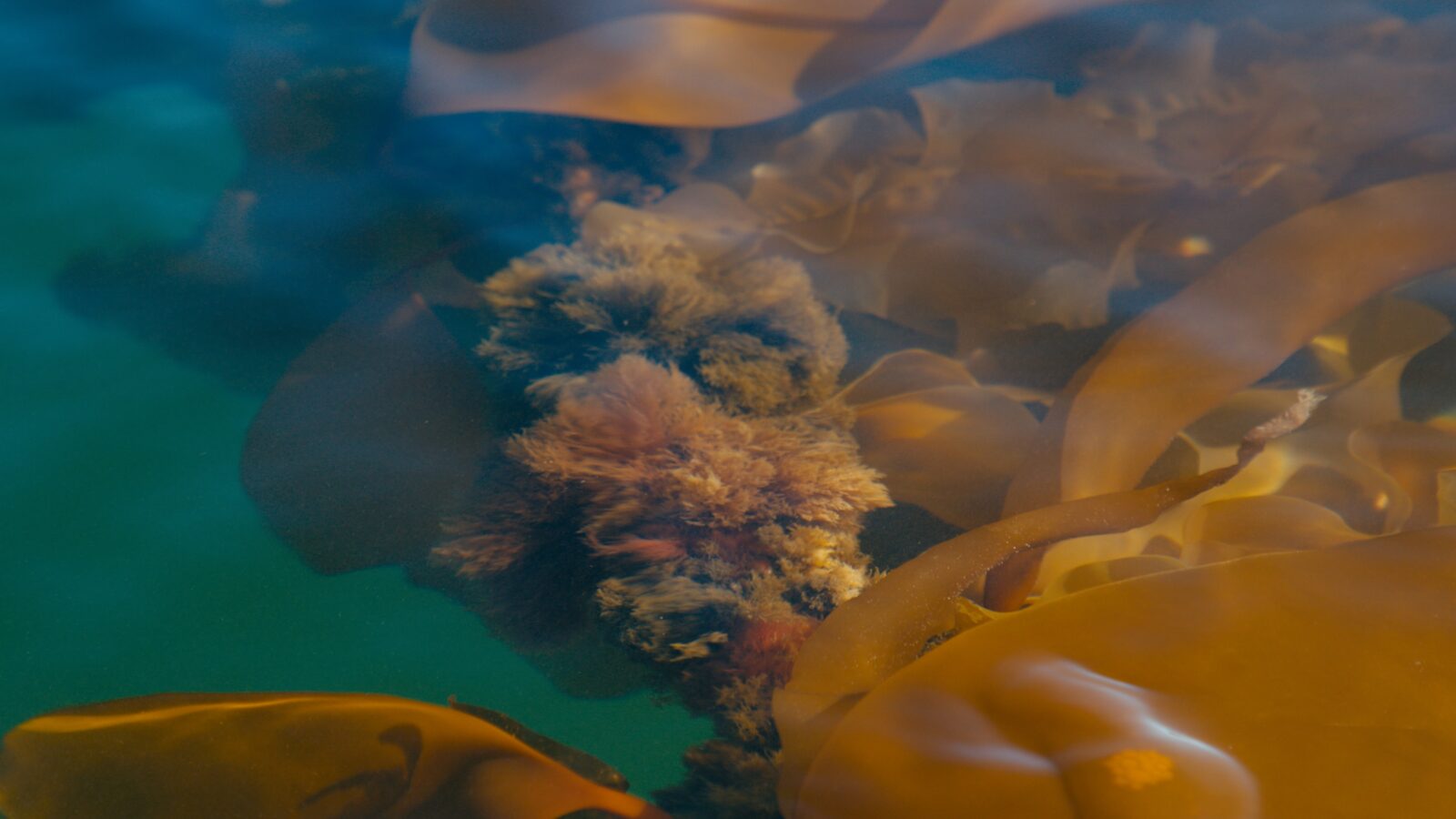
In 2025, the Alaska Mariculture Cluster’s (AMC) Seaweed Tissue Analysis Program continued data collection and analysis to better understand the nutritional and chemical composition of farmed seaweed in Alaska. Twenty-five farms from around the state collaborated last year to provide over thirty samples of farmed seaweed for laboratory testing to identify their macronutrient, mineral, heavy metal, and sugar compositions. This project is crucial for helping the mariculture industry understand the compositional benefits of farmed kelp and represents a strong collaboration between farmers and scientists in Alaska’s mariculture industry. Data from this testing is now available at the link below.
Button will download an Excel file
The Seaweed Tissue Analysis project is funded through the Alaska Fisheries Development Foundation’s (AFDF) Research & Development subaward under the AMC. The 2025 sampling was coordinated by Marine Biologics, who received, processed, and shipped samples to labs while operating out of University of Alaska Fairbanks’ Kodiak Seafood and Marine Science Center. All lab work was conducted by accredited labs using ISO-approved methods.
The 2025 data describe the composition of the following farmed species (additional wild species were also studied opportunistically when provided by farmers):
- Alaria marginata (winged kelp)
- Cymathaere triplicate (three-ribbed kelp)
- Hedophyllum nigripes (split kelp)
- Nereocystis luetkeana (bull kelp)
- Saccharina latissima (sugar kelp)
The 2025 results help pinpoint species of seaweed that have higher rates of specific compounds, informing innovations in cultivation and product development to meet market demands and carve out new niches for Alaskan seaweed.
These efforts contribute to the growing collection of seaweed chemical compositional data funded under the AMC grant. Prior work in 2024 collected similar compositional data for wild species and was synthesized into a Tableau dashboard. Results from both of these data analyses will continue to support industry awareness, document product safety, inform marketing efforts, and allow operations to better serve specific markets. To learn more about the 2024 and 2025 data analysis, as well as other tissue analysis projects, visit the program page below.
Background
Southeast Conference (SEC) is the federally designated Economic Development District (EDD) for Southeast Alaska, as well as the state designated Alaska Regional Development Organization. SEC’s mission is to undertake and support activities that promote strong economies, sustainable communities, and a healthy environment in Southeast Alaska.
In September 2022, Southeast Conference was awarded a $49 million U.S. Economic Development Administration (EDA) Build Back Better Regional Challenge (BBBRC) grant to catalyze a viable and sustainable mariculture industry in Alaska, supporting the production of shellfish and seaweed, for the long-term benefit of the state’s economy, environment, and communities.
SEC leads the Alaska Mariculture Cluster (AMC) grant coalition, which includes members of Alaska’s mariculture industry, tribal organizations, regulatory agencies, university system, regional EDDs, trade organizations, and others. A Governance Body, composed of AMC coalition leaders and Tribal executives from each of the project regions, guides the grant’s work and equity metrics.
The AMC has complementary grant components designed to break down barriers and develop Alaska’s mariculture industry. The Overarching Narrative explains how the grant components work together to grow the industry in an equitable and responsible manner. The full project period for the AMC BBBRC project is October 1, 2022 to September 30th, 2026.
