
Search AMC News
New Seaweed Tissue Analysis Dashboard Illuminates Alaska’s Seaweed Potential
October 14, 2025
Lead Entities: Alaska Fisheries Development Foundation, Marine Biologics
Grant Component: Research & Development
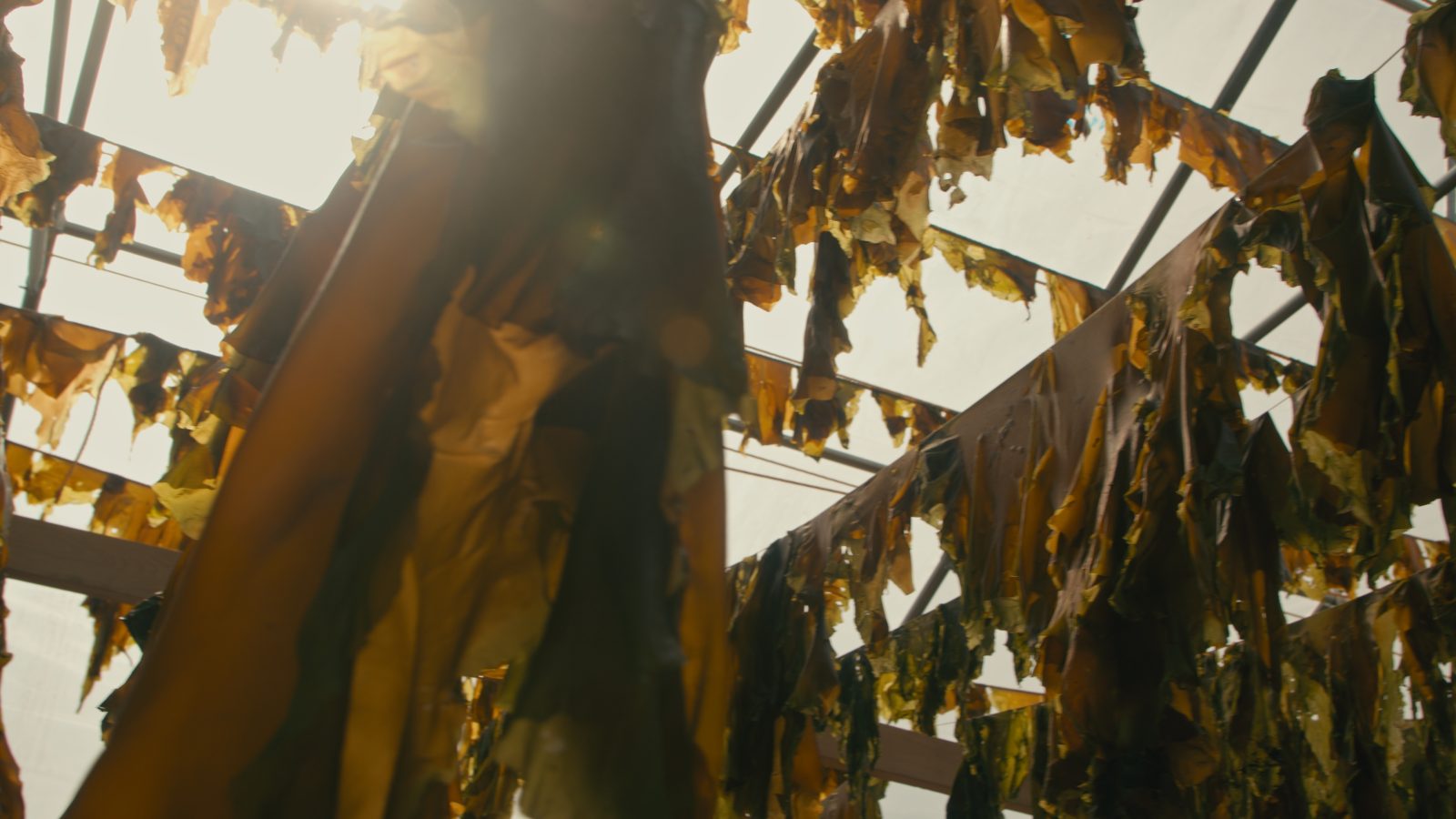
In 2024, as a part of AMC’s Seaweed Tissue Analysis Program, the Alaska Fisheries Development Foundation (AFDF) facilitated a seaweed sampling effort that looked at a diverse range of seaweed species from around Sitka, AK and Kodiak, AK. samples were collected primarily from wild sources and featured 17 distinct species of brown, red, and green seaweed. Collected samples were analyzed by Celignis Analytical in Ireland, where full compositional content was measured, including minerals, carbohydrates, polysaccharides, pigments, ash, and metals. This study revealed the incredible variety of native seaweed types across Alaska and diversity in their chemical composition.
Marine Biologics was then contracted to interpret and synthesize the vast amount of complex seaweed data produced through the lab work conducted by Celignis. Drawing on expertise in seaweed chemistry, data science, and market development, the Marine Biologics team developed this interactive dashboard to make the findings more accessible to farmers, processors, researchers, and policymakers. This dashboard enables users to explore chemical and functional profiles across species and to identify high-potential market applications and opportunities for Alaska’s growing seaweed industry.
Deeper Dive
In spring 2024, Celignis Analytical collected and analyzed roughly 100 seaweed samples across 17 species of wild and farmed seaweed from Kodiak and Sitka. Each sample underwent over 40 laboratory analyses measuring nutritional content, carbohydrates, bioactive compounds, and safety indicators. Marine Biologics used the resulting data to create the Tableau dashboard linked above, where users can explore chemical and nutritional profiles across species, regions, and sample conditions.
The dashboard allows users to:
- Compare species based on nutrient composition, bioactive compounds, and methane reduction potential.
- Identify promising commercial species suited for high-value products like foods, supplements, and agricultural inputs.
- Explore variation by region, season, and harvest method, helping farmers optimize cultivation strategies.
- Access open data that can support grant proposals, R&D projects, and investment planning within Alaska’s mariculture industry.
This tool helps farmers and processors make informed decisions about which species have the most commercial viability, adding to the larger Seaweed Tissue Analysis Program outputs and objectives by supporting market development opportunities in agriculture, cosmetics, food, and biotechnology. Additionally, the analysis will be helpful for policymakers, as it can inform regulatory strategies and ensure that legal frameworks are based on the most accurate, up-to-date information.
This marks the first publicly available dataset of its kind for Alaska’s mariculture industry, creating a foundation of shared knowledge to drive innovation and collaboration statewide. Alex Huller, Mariculture Development Program Manager at AFDF, shared her perspective on the programs benefits:
“The Seaweed Tissue Analysis Program is providing the industry with an exceptionally robust data set. By making this complex compositional data accessible through the dashboard, it can help farmers, processors, and innovators identify new opportunities and highlight Alaska’s potential. I hope this effort attracts product developers to Alaska’s seaweeds and shines a spotlight on our science-driven, rapidly growing seaweed sector.”
For the Alaska Mariculture Cluster, this work exemplifies how science and economic development go hand in hand. By making this data open, transparent, and accessible, the Seaweed Tissue Analysis Program supports stronger communities, informed policy, and smarter investment in Alaska’s coastal future.
About the Alaska Mariculture Cluster
In September 2022, Southeast Conference was awarded a $49 million U.S. Economic Development Administration (EDA) grant to stimulate private investment and grow Alaska’s mariculture industry to $100 million in sales in 10 years. The Alaska Mariculture Cluster grant involves a large coalition of state agencies, Tribes, non-profits, and others working together over a five year period ending May 2027.
