
Search AMC News
AMC Monthly Update: February 2026
February 27, 2026
Lead Entities: Southeast Conference
Grant Component: Grant Administration
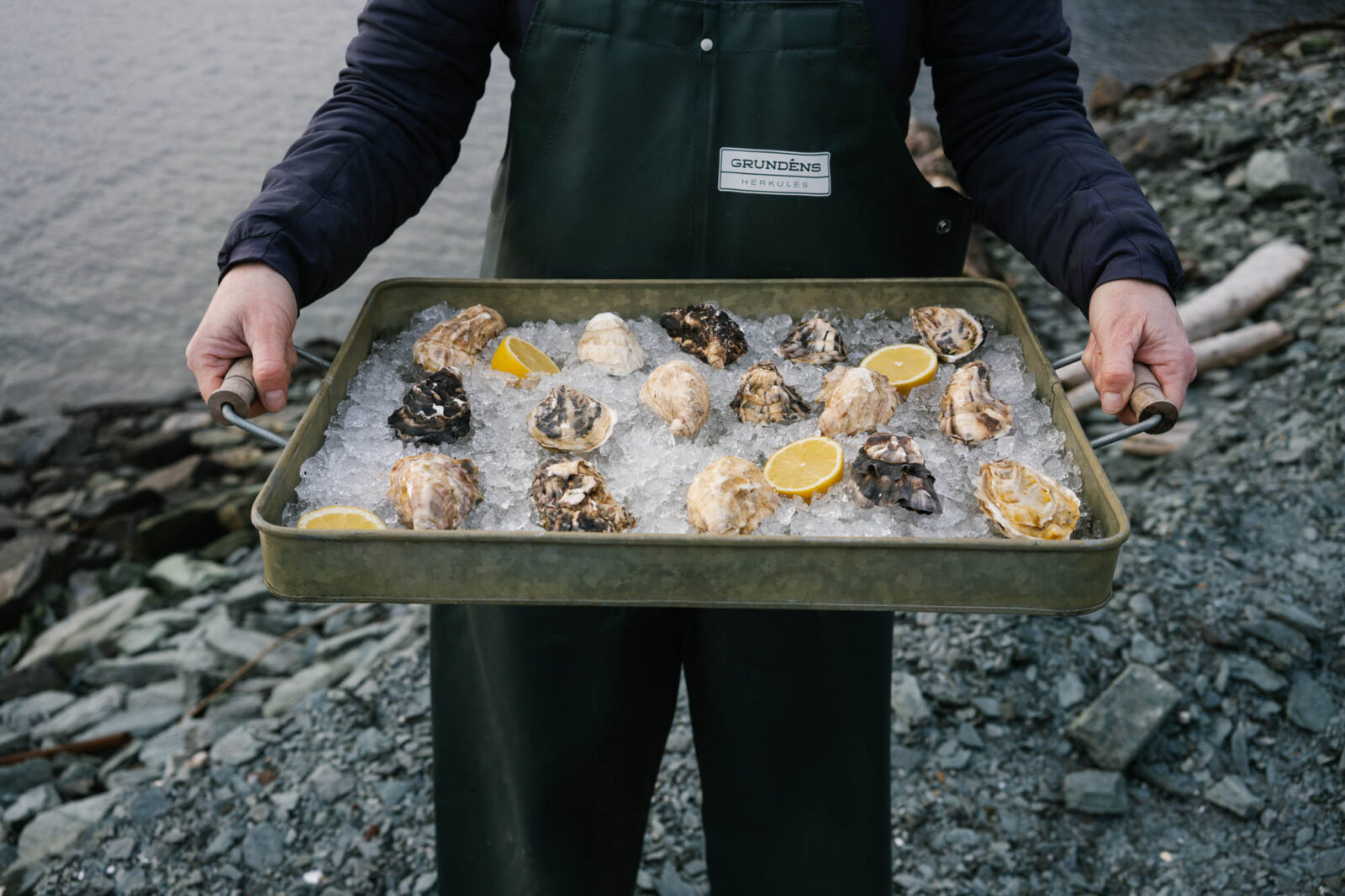
As 2026 begins, the Alaska Mariculture Cluster (AMC) continues its work to strengthen the mariculture industry in Alaska. Each of the grant’s component projects is progressing steadily, and the coalition is working to catalyze the industry for the long-term benefit of Alaska’s economy, environment, and communities. As the grant enters its final year, stay up to date on programs and projects by clicking below to read more.
Component #1: Revolving Loan Fund
The AMC’s Revolving Loan Fund (RLF) program has processed its first loan application! The RLF addresses lending barriers within the mariculture industry by offering collateral support to lending institutions for borrowers who do not qualify for traditional loans. Northrim Bank was recently added as an approved lending institution, joining Spruce Root to bring the total number of involved institutions up to two. More lending partners expected to join as agreements are finalized.
SEC issued a Request for Proposals (RFP) for Mariculture Business Planning Tools. The RFP, which closes in early March 2026, is seeking contractors to provide business planning and technical assistance services to Alaska seaweed and shellfish farmers and processors. The purpose of this work is to improve participating businesses’ understanding of their financial operations and to strengthen their ability to access capital for business growth and investment.
Component #2: Governance, Coordination, & Outreach
The Alaska Mariculture Alliance (AMA) contracted with Tastemaker Comms, lead contractor of the AMC Marketing Program, to expand their scope – producing storytelling features and advertorials, facilitating industry presence at shellfish and culinary trade shows, and further developing Alaska mariculture branding and assets.
SEC continues to work closely with the AMA, attending board meetings and participating in two biweekly meeting series: one with AMA staff, regional Mariculture Liaisons, and the EDDs (KPEDD, PWSEDD, and SWAMC); one with just AMA and the regional Mariculture Liaisons. SEC has assisted AMA with forecasting and budgeting its remaining AMC subaward funds.
KPEDD, PWSEDD, SEC, and SWAMC continue to work with industry partners, stakeholders, and AMA Liaisons to facilitate communication, events, and project development. All other EDDs are working closely with their regions’ mariculture organizations and liaisons, including planning community mariculture events for Summer and Fall 2026. These events will be supported by AMA, SEC, and the AMC Marketing Program, and will be announced as finalized.
Component #3: Workforce Development
The AMC’s Workforce Development program is primarily led by the University of Alaska Fairbanks (UAF) Alaska Sea Grant, University of Alaska Southeast (UAS) Sitka, and the University of Alaska Anchorage (UAA) Prince William Sound College. All three institutions have trainings, workshops, and college courses offered in their region and UAF / Alaska Sea Grant has statewide coverage. SEC has been finalizing budget revisions with its university partners and is developing case studies to highlight program successes and impacts.
This month, AMC highlighted Alaska Sea Grant’s partnership, spotlighting the various workshops, programming, and events that Alaska Sea Grant organizes in conjunction with AMC. In addition to its workforce development subaward, UAF professors have applied to various AMC RFPs and been awarded eight AMC projects, such as researching new methods for farming new mariculture species like dulse, abalone, and urchins. Learn more about UAF and Alaska Sea Grant’s work in the slides below:
Alaska Sea Grant and AMC issued a Farmer Knowledge Exchange RFP to assist Alaskan mariculturists in taking advantage of the most up to date technology and husbandry practices. Alaska Sea Grant is accepting applications from farmers for travel funding to visit mariculture operations elsewhere. This funding is available for travel within the state of Alaska and nationally. Along with bringing information to the state of Alaska, this program seeks to build awareness of the Alaskan mariculture brand by encouraging reciprocal knowledge exchange from Alaskan industry members to other regions.
AMC’s Hands-On Farm Training Program will support paid internship placements at oyster and seaweed farms across Alaska. Each of the three contractors, AMA, OceansAlaska, and Kodiak Ocean Growers, will help facilitate and organize these experiences for participants. Two out of the three contracts are completed and signed. Alaska Sea Grant has been accepting applications for hosts and apprentices for its Mariculture Summer Apprenticeship program and has received many strong applications so far. All apprentices will be enrolled in a one-credit course through the University of Alaska, and can receive up to three credits for a ten-week apprenticeship.
Component #4: Research & Development
The 2026 Mariculture Conference of Alaska planning is in full swing, with the conference scheduled to take place March 10-12. Speakers, posters, and vendors have all been finalized, with workshops scheduled, publicized, and filling up. Three workshops (led by Tommy Sheridan, Missy Good, and Bobbi Hudson) will take place on Tuesday morning, and a fourth workshop (led by Julie Qiu) will take place on Tuesday evening. Workshop registration is currently available.
Alaska Fisheries Development Foundation (AFDF) continued advancing the Joint Innovation Projects (JIP) Program as interim and final reports were received from awardees. AFDF launched a third and final round of JIP funding, focused specifically on product development, with individual awards capped at $50,000. A total of 11 applications to the RFP were received, and this month, organizations were selected. Contracts are being finalized, and the selected projects will be shared publicly next month. Each of the projects contributes to the JIP Program’s goals of forming strategic private sector partnerships, accelerating innovation, addressing barriers to growth, and strengthening Alaska’s emerging mariculture industry.
Component #5: Market Development
The AMC Marketing Program, which is collaboratively managed by AMA and SEC, is consistently making impactful progress towards developing valuable marketing material for Alaska’s mariculture industry. The Marketing Program has released a new logo and brand system. The full brand system, including colors, fonts, and photography, will be utilized across AMC marketing efforts, from websites and trade shows to PR, marketing materials, and more. The branding brings the industry together under one identity, while giving Alaska Oysters and Alaska Kelp their own distinct representations.

The Marketing Program is organizing a private “Shuck & Tell” industry event, coinciding with the Mariculture Conference of Alaska, that will introduce mariculture farmers & products to buyers, chefs, retailers, and distributors from around the state and cruise industry. Additionally, the AMA will host a post-conference “Mariculture Nerd Nite: Talks, Tastings, & Painted Shells” on March 12th at 49th State Brewery, bringing together farmers, researchers, and seafood enthusiasts for an evening of snack-sized talks and sea-grown stories from the world of mariculture. Speakers get exactly five minutes to share something they’re passionate about, whether that’s oysters, kelp, sustainable aquaculture, or the future of Alaska’s coastal economy. No jargon, no lengthy presentations- just big enthusiasm in small doses with a side of oyster shell painting.
Component #6: Green Energy
Last fall, the AMC’s Green Energy in Mariculture (GEM) Project released a report analyzing how Alaska’s mariculture industry uses energy and how it can transition toward cleaner, more efficient power sources. The study lays the groundwork for a more energy-efficient mariculture sector that minimizes reliance on fossil fuels. This report continues to offer insights and is a crucial resource for efforts to transition the mariculture industry towards clean energy.
Key findings include: Average farm size: 45,000 pounds harvested annually with five workers per site. Travel patterns: Farmers visit their sites 113 times per year on average, typically traveling six nautical miles by boat at 21 knots. Fuel consumption: 75% of respondents use gasoline (848 gallons per year on average) and 25% use diesel (1,043 gallons). Power sources: 60% rely on generators at their remote site, 55% use energy from their vessels, and 10% connect to local electric grids. Processing facilities: Average 1,560 square feet in size, powered primarily by local hydropower, and operating in five communities.
Component #7: Equipment & Technology
The Mariculture Equipment Program is progressing, with progress being made on finalizing budgets and completing subaward amendments for the awarded entities. Across all three rounds of awards, AMC Mariculture Equipment Program will issue around $9.13 million in total, which reflects nearly 20% of the entire $49M BBB federal grant.
Of the seven entities that were awarded funds in Round III, four of them have been finalized and subawards amended. Once all subawards have been finalized, details about the awardees will be made available to the public.
SEC also continues to work on finalizing funding for previous rounds of equipment awards and has been working with existing subaward recipients to finalize purchasing documents, receive EDA approval, and process invoices for reimbursement. SEC continues to update the AMC website with published materials, including final reports, interim project updates, and new data for a variety of AMC-funded programs.
Component #8: Grant Management
A scoring committee met this earlier month to discuss the proposals received under the AMC Succession Planning RFP. SEC is working with the awarded contractor to finalize a contract, timeline, and budget for the succession planning process, which will help identify areas of need within Alaska’s mariculture industry and create preliminary strategies to address these financial, programmatic, or structural gaps post-grant period.
In mid-February, SEC staff traveled to Aquaculture America, the only major national aquaculture conference and exposition held in the U.S.. At the conference, SEC delivered a comprehensive presentation on AMC’s work and the progress that the mariculture industry has made in Alaska, continuing to highlight Alaska’s value on a national stage.
AMC has a new Grant Evaluation webpage where visitors can learn more about grant evaluator Ecotrust’s work. The page includes information about Ecotrust’s work to date, including the AMC Theory of Change, Industry Challenges, and AMC Targets. Soon, the webpage will also feature Ecotrust’s evaluative report (to be released at the Mariculture Conference of Alaska) on AMC’s work through December 2025.
Background
Southeast Conference (SEC) is the federally designated Economic Development District (EDD) for Southeast Alaska, as well as the state designated Alaska Regional Development Organization. SEC’s mission is to undertake and support activities that promote strong economies, sustainable communities, and a healthy environment in Southeast Alaska.
In September 2022, Southeast Conference was awarded a $49 million U.S. Economic Development Administration (EDA) Build Back Better Regional Challenge (BBBRC) grant to catalyze a viable and sustainable mariculture industry in Alaska, supporting the production of shellfish and seaweed, for the long-term benefit of the state’s economy, environment, and communities.
SEC leads the Alaska Mariculture Cluster (AMC) grant coalition, which includes members of Alaska’s mariculture industry, tribal organizations, regulatory agencies, university system, regional EDDs, trade organizations, and others. A Governance Body, composed of AMC coalition leaders and Tribal executives from each of the project regions, guides the grant’s work and equity metrics.
The AMC has complementary grant components designed to break down barriers and develop Alaska’s mariculture industry. The Overarching Narrative explains how the grant components work together to grow the industry in an equitable and responsible manner. The full project period for the AMC BBBRC project is October 1, 2022 to September 30th, 2026.
