
Search AMC News
Report: Green Energy in Alaska Mariculture Farm & Producers Survey Analysis
November 10, 2025
Lead Entities: Alaska Fisheries Development Foundation, University of Alaska Fairbanks
Grant Component: Green Energy
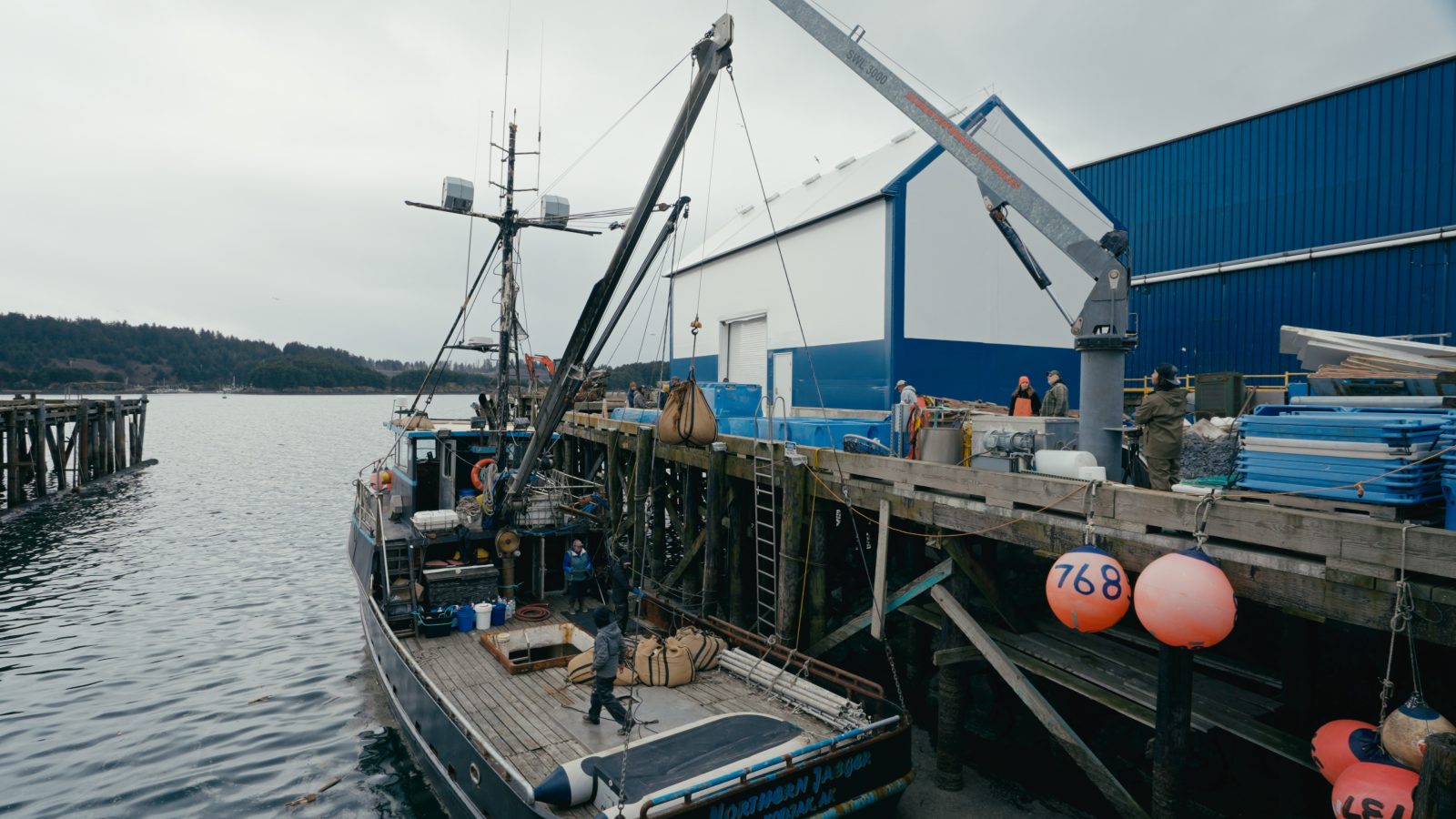
The Alaska Mariculture Cluster (AMC) Green Energy in Mariculture (GEM) Project has released a report analyzing how Alaska’s mariculture industry uses energy and how it can transition toward cleaner, more efficient power sources. The study, funded through the Green Energy project component of the AMC grant and managed by Alaska Fisheries Development Foundation’s (AFDF) subaward, lays the groundwork for a more energy-efficient mariculture sector that minimizes reliance on fossil fuels.
Led by Dr. Chandler Kemp from the University of Alaska Fairbanks, the GEM team includes researchers from UAA, UAS, and Alaska-based firms Rain Coast Data and Pacific Alternatives. Together, they worked with farmers, processors, and Tribal partners across Alaska to understand how energy is currently used at mariculture sites and how efficiency and renewable power can strengthen Alaska’s economy.
Between 2024 and 2025, Rain Coast Data conducted the first statewide energy-use survey of mariculture operations. Twenty-two farms and processors from around Alaska provided detailed information on their vessel fuel consumption, travel patterns, on-site power sources, and equipment. The survey included 36 questions that focused on a variety of mariculture energy expenses, such as travel modes, scale of operations, inventory, energy use, and access to markets, and respondents could also provide open-ended comments.
Key findings include:
- Average farm size: 45,000 pounds harvested annually with five workers per site.
- Travel patterns: Farmers visit their sites 113 times per year on average, typically traveling six nautical miles by boat at 21 knots.
- Fuel consumption: 75% of respondents use gasoline (848 gallons per year on average) and 25% use diesel (1,043 gallons).
- Power sources: 60% rely on generators at their remote site, 55% use energy from their vessels, and 10% connect to local electric grids.
- Processing facilities: Average 1,560 square feet in size, powered primarily by local hydropower, and operating in five communities.
The Green Energy project will utilize this report for its other project objectives. Using the survey data, the project will move into the next two phrases: creating a green energy plan to guide investment as the industry grows and creating a best practices guide for future energy audits and efficiency work. In addition to the new data collected in the survey, the green energy plan will use results from the Joint Innovation Projects (JIP), which are funded by AMC’s Research and Development grant component through an AFDF subaward. Results from the JIPs will help create a plan that identifies the best opportunities to reduce emissions associated with Alaska’s mariculture industry. Similarly, the best practices guide will support ongoing efficiency and renewable energy work after the GEM project is completed and provide practical recommendations for energy audits, efficiency upgrades, and renewable-energy installations tailored to mariculture operations.
About the Alaska Mariculture Cluster
In September 2022, Southeast Conference was awarded a $49 million U.S. Economic Development Administration (EDA) grant to stimulate private investment and grow Alaska’s mariculture industry to $100 million in sales in 10 years. The Alaska Mariculture Cluster grant involves a large coalition of state agencies, Tribes, non-profits, and others working together over a five year period ending May 2027.
