
Search AMC News
AMC Monthly Update: July 2026
July 31, 2026
Lead Entities: Southeast Conference
Grant Component: Grant Administration
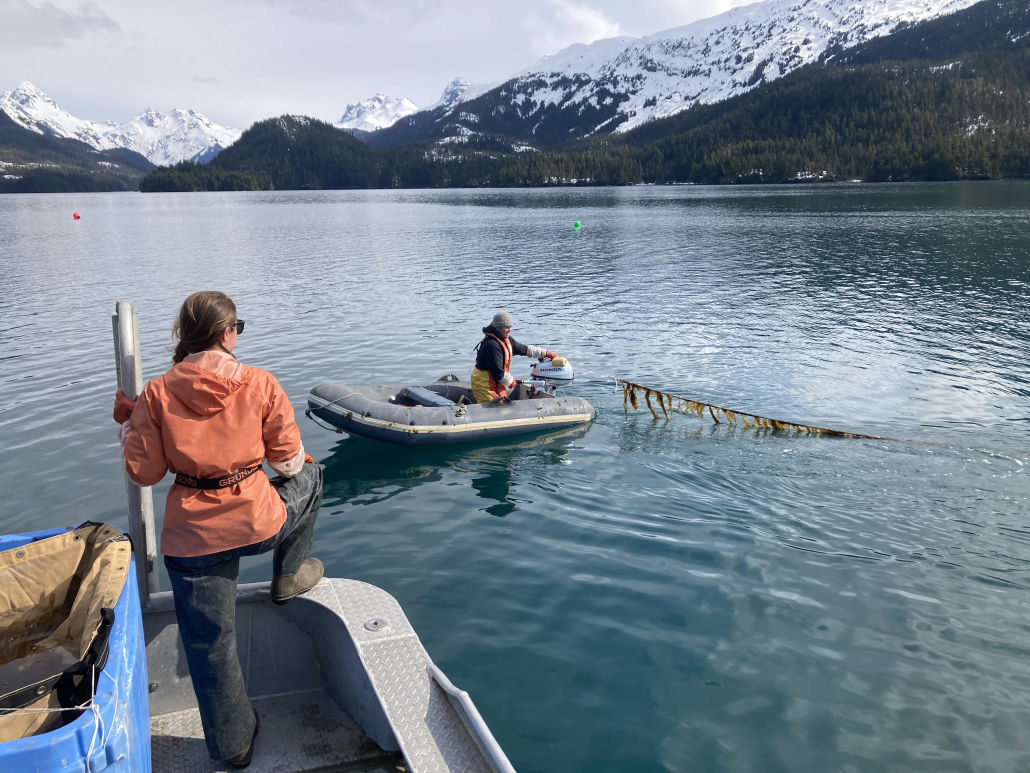
In 2026, the Alaska Mariculture Cluster (AMC) continues its work to strengthen the mariculture industry in Alaska. Each of the grant’s component projects is progressing steadily, and the coalition is working to catalyze the industry for the long-term benefit of Alaska’s economy, environment, and communities. As the grant enters its final year, stay up to date on programs and projects by clicking below to read more.
Component #1: Revolving Loan Fund
The revolving loan fund (RLF) addresses lending barriers within the mariculture industry by offering collateral support to lending institutions for borrowers who do not qualify for traditional loans. Mariculture businesses can apply for loans with Northrim Bank and Spruce Root. $1.068M in loans have been issued so far, with another $1.031M in loans in final processes; altogether, the RLF will soon have issued over $2M in loans and is seeking to add additional lending partners.
AMC’s Mariculture Business Planning Program is supporting Spruce Root, Greenwave, and Seamark Holdings to expand loan readiness and access to business resources for mariculture businesses across the state. This month, all three entities have been actively working to offer business planning services and technical assistance to shellfish farmers and mariculture processors across Alaska. The provided business planning services, new project scoping, and partner recruitment have already made an impact on business readiness in the industry.
Component #2: Governance, Coordination, & Outreach
The AMC Governance Body Meeting continues to be a valuable opportunity for connection and collaboration across the industry. Members met in Anchorage on July 29 to discuss grant progress, hear updates from partners, and synthesize industry plans. This month’s meeting covered the spring kelp harvest, future directions for the industry, and updates from a variety of projects.
SEC is traveling to Ninilchik for Salmonfest, an annual festival celebrating Alaska seafood, to educate about and promote Alaska’s mariculture industry. In partnership with the Kenai Peninsula Economic Development District (KPEDD), SEC is staffing the mariculture booth, contributing to marketing and outreach efforts, and providing resources for visitors looking to learn more. The Alutiiq Pride Marine Institute (APMI) is providing a seaweed touch tank, and multiple AMC-funded projects will be featured in a revolving media station for guests to watch mini mariculture documentaries (“Portrait of a Seaweed Farmer” and “Cultivating Ocean Treasures: The Alaskan Oyster Industry”). Having a strong mariculture presence at one of Alaska’s largest annual seafood festivals offers valuable outreach and engagement opportunities and demonstrates the industry’s growing influence in Alaska’s economy. Photos coming soon.
Component #3: Workforce Development
The AMC’s Workforce Development program is primarily led Alaska Sea Grant at UAF, University of Alaska Southeast (UAS) Sitka, and the University of Alaska Anchorage (UAA) Prince William Sound College. All three institutions have trainings, workshops, and college courses offered in their region and UAF / Alaska Sea Grant has statewide coverage.
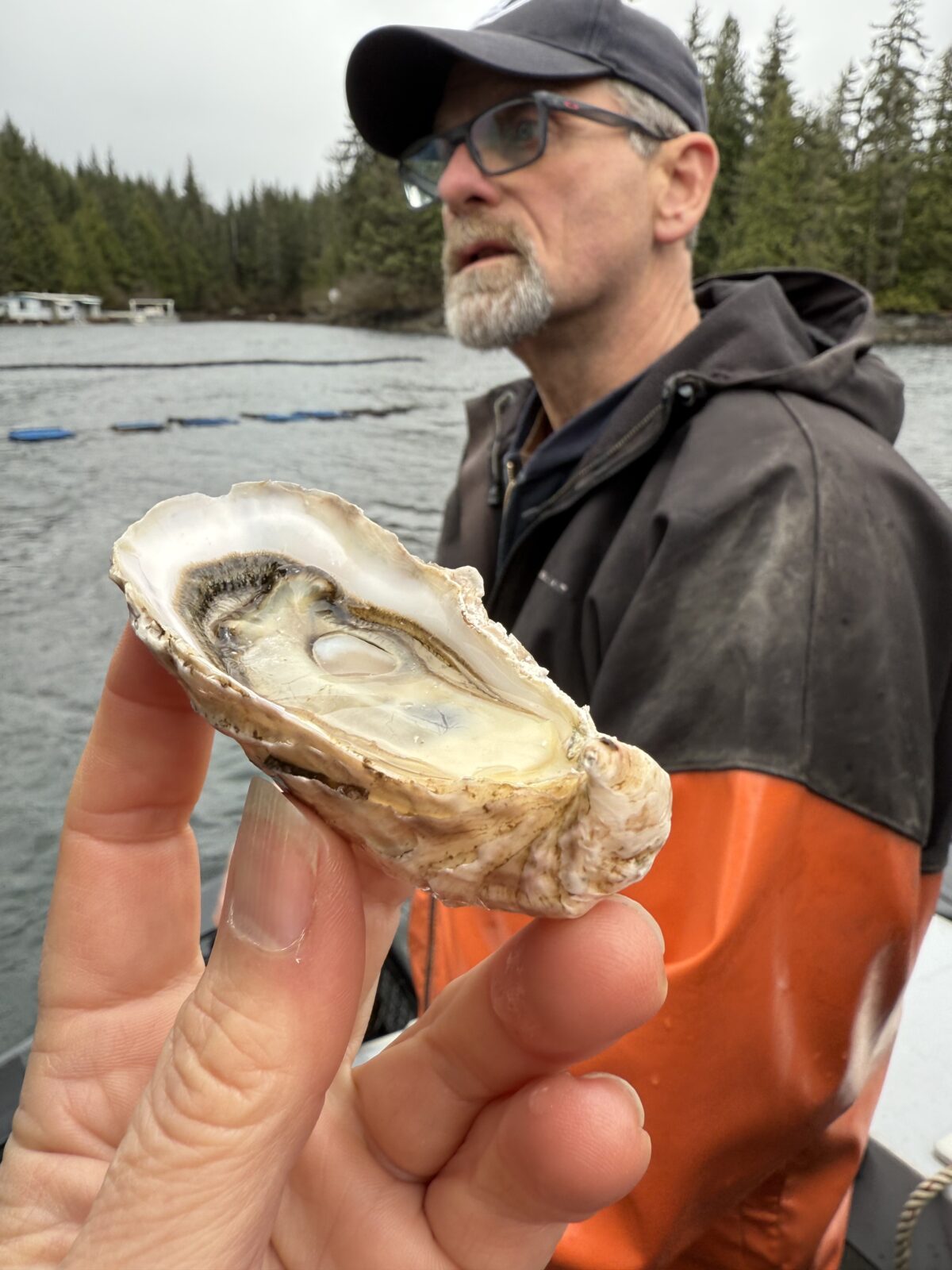
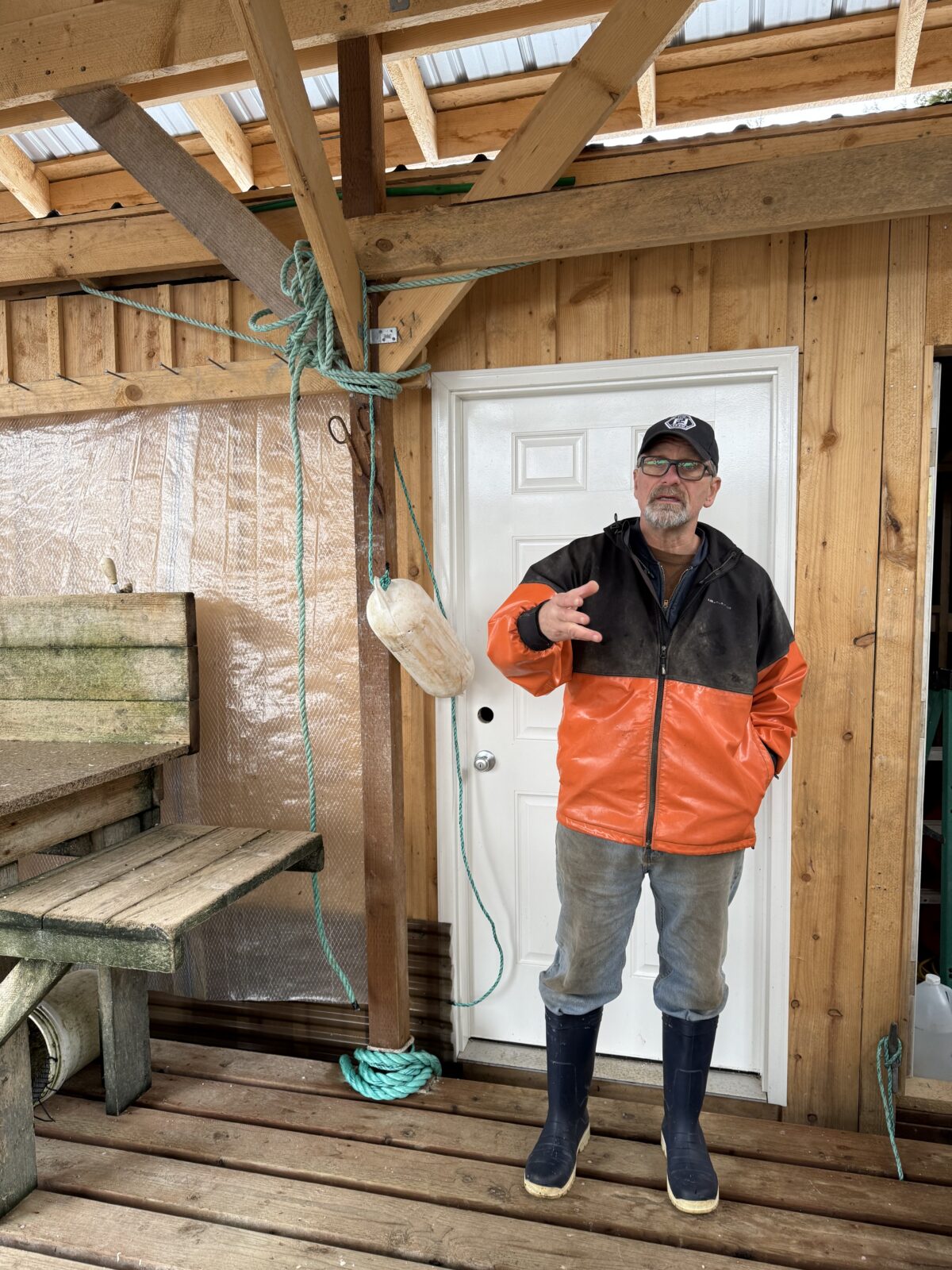
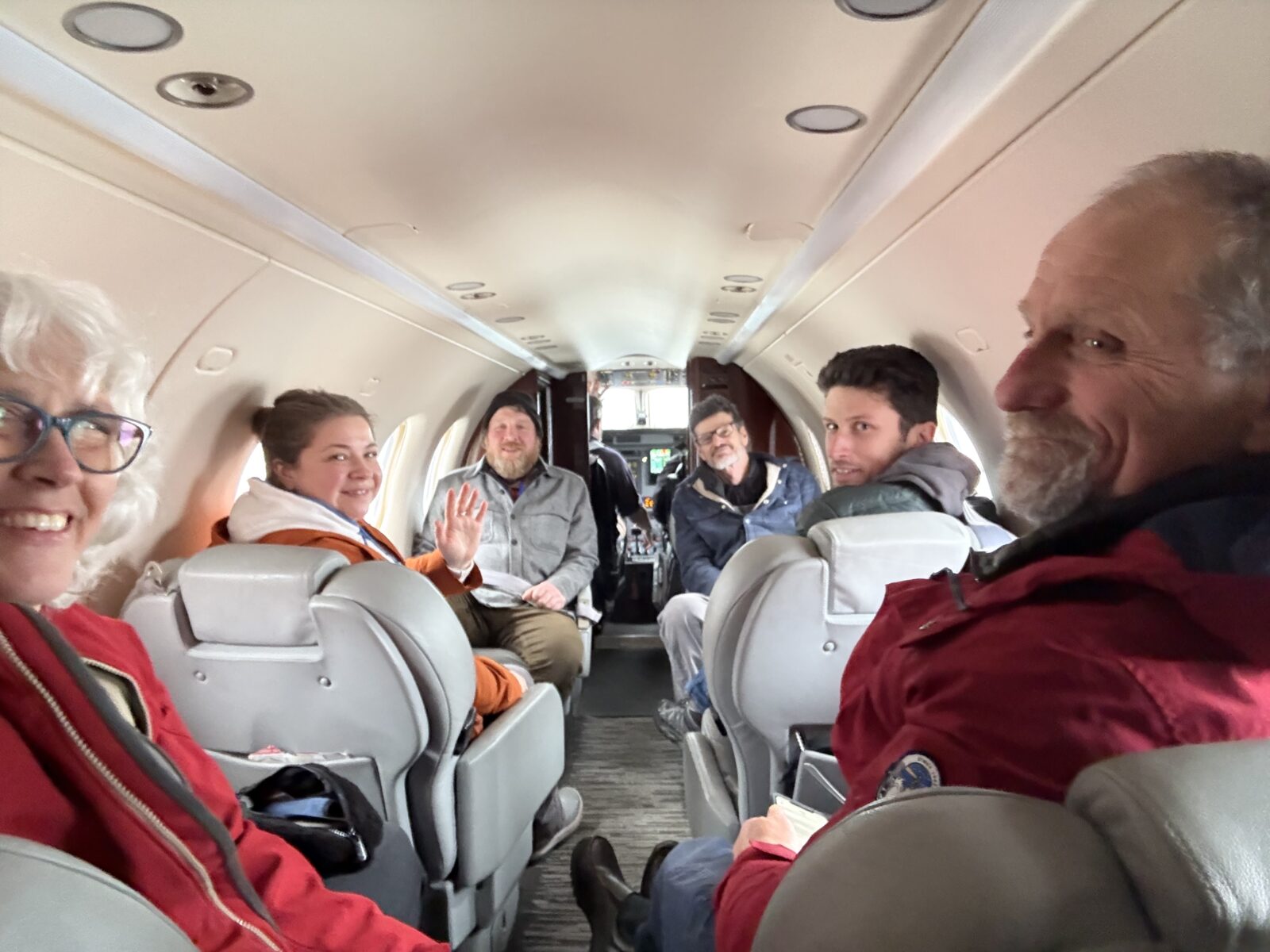
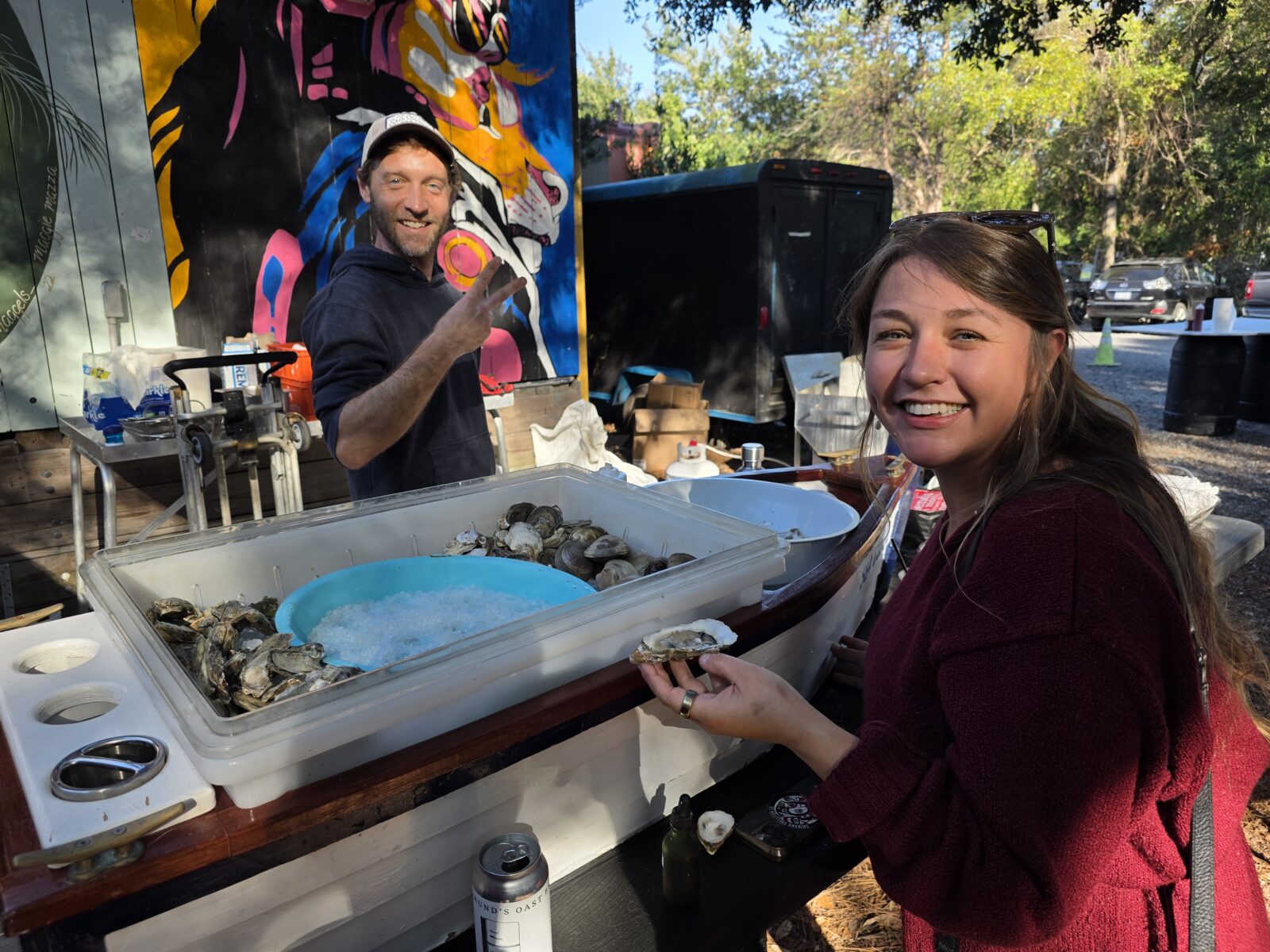
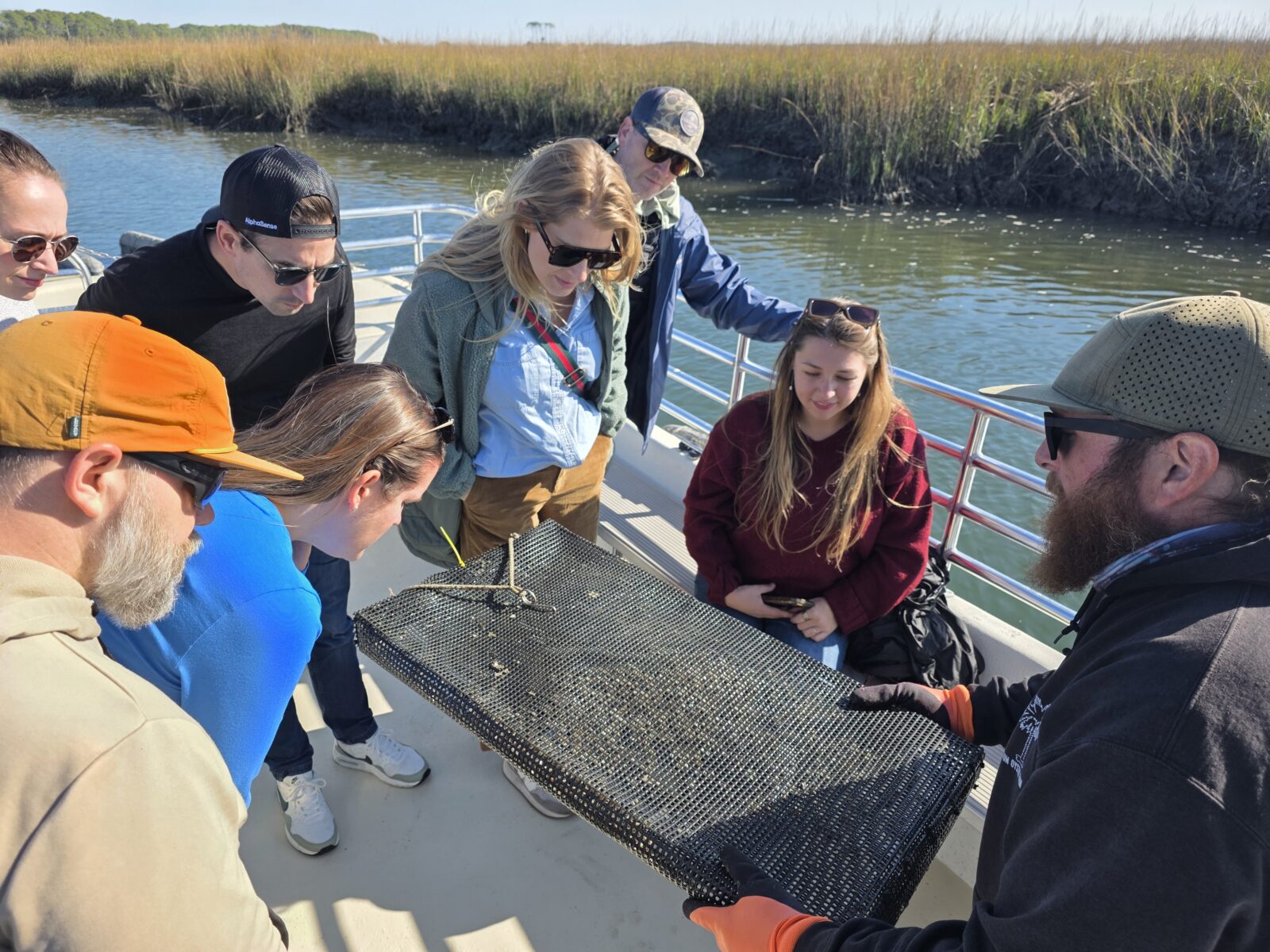
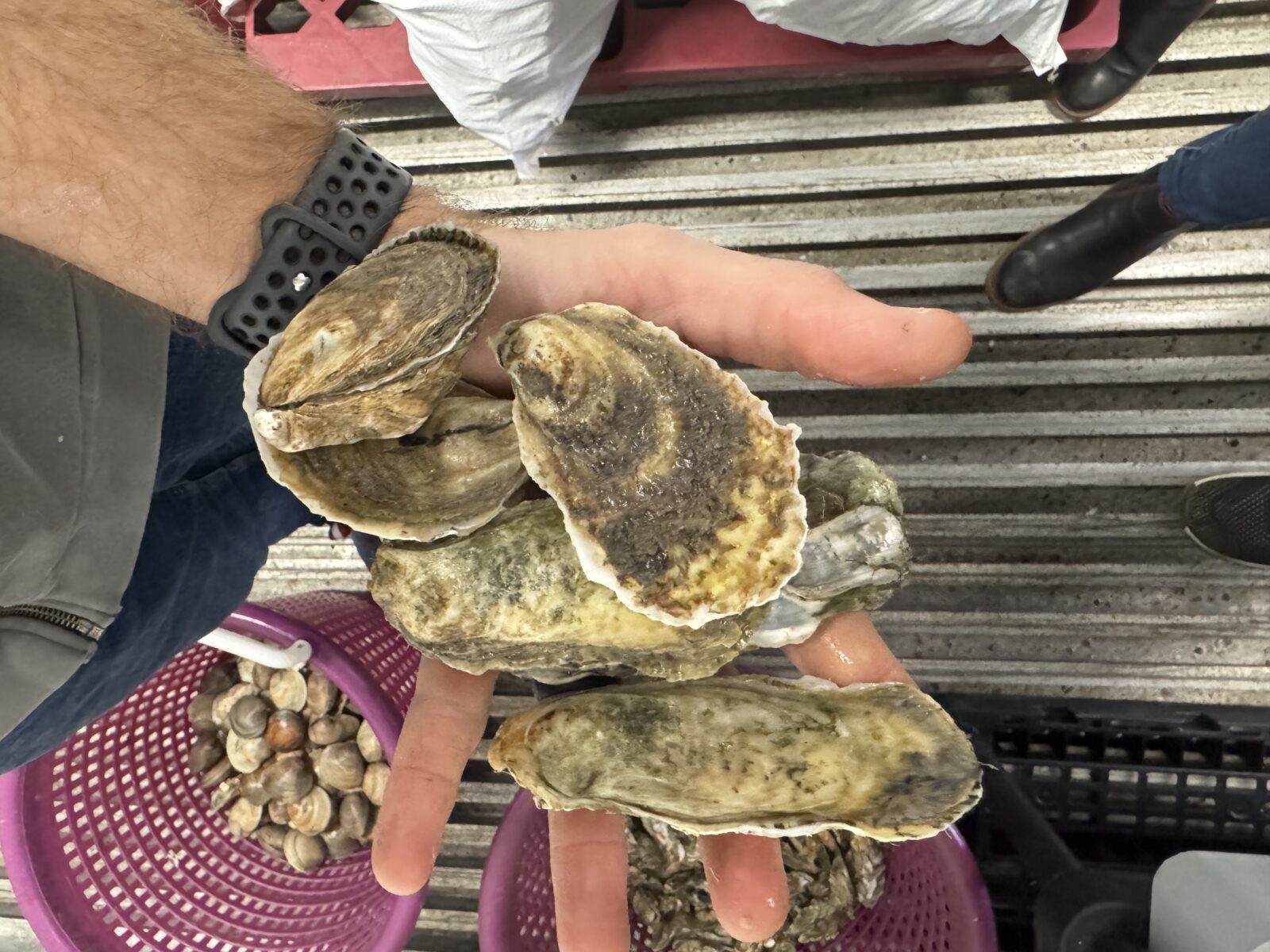
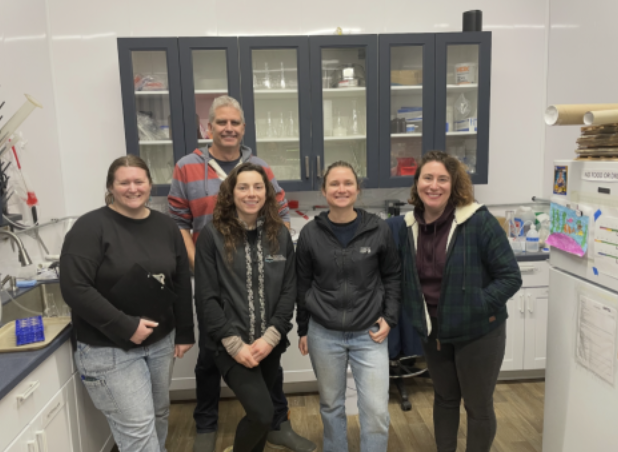
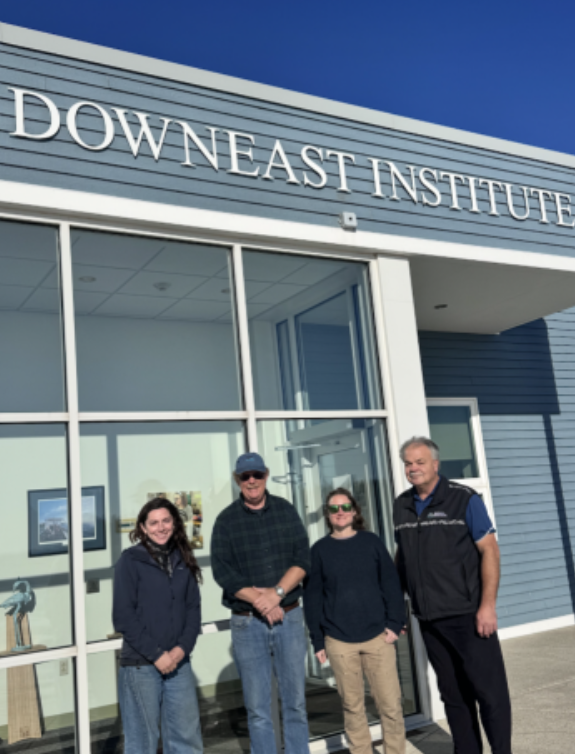
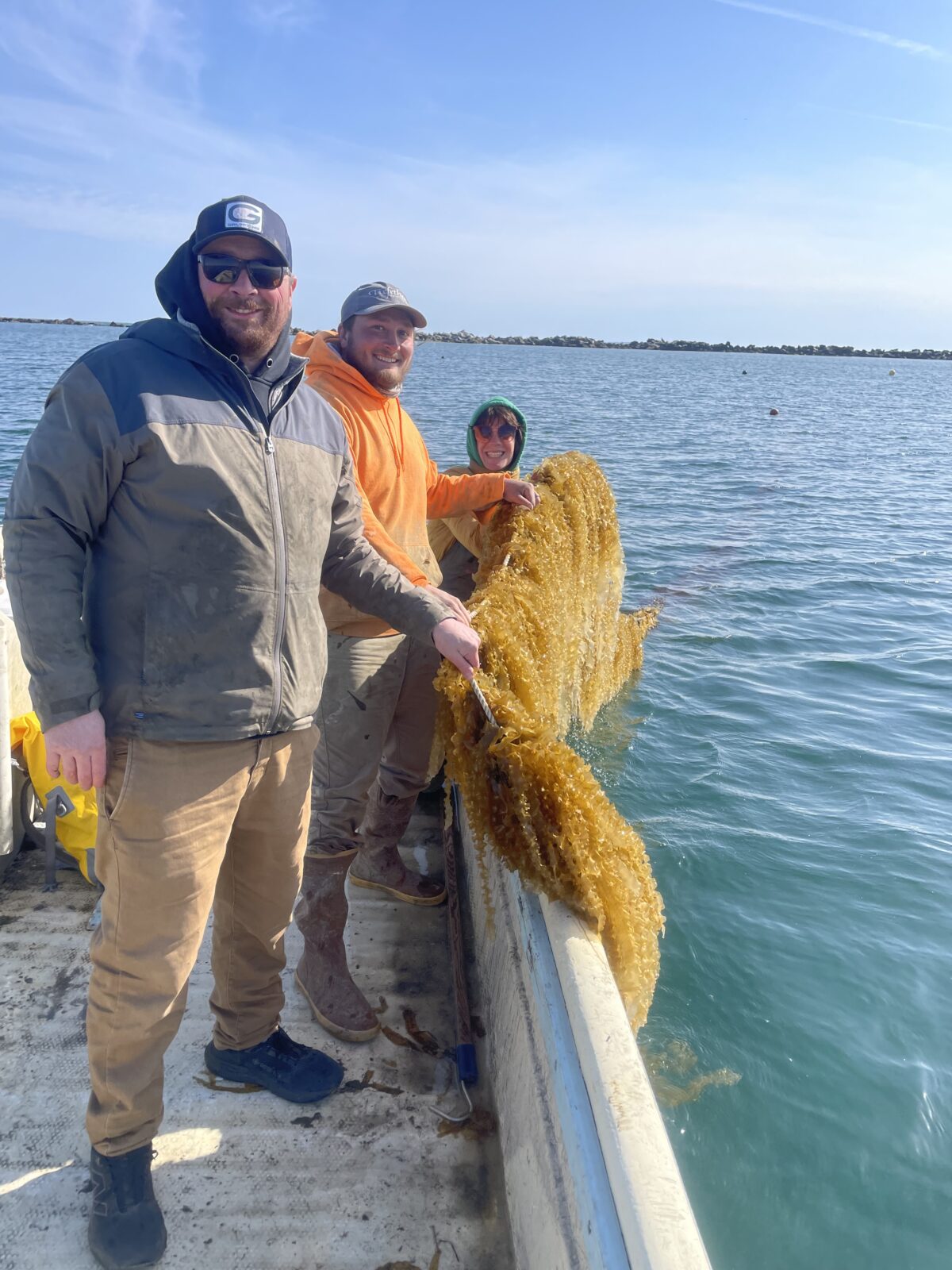
The Farmer Knowledge Exchange Program has a new program page on the AMC website, where users can access trip reports, funding details, and photos from each trip. The Farmer Knowledge Exchange program seeks to build awareness of the Alaskan mariculture brand by encouraging reciprocal knowledge exchange from Alaskan industry members to other regions. Led by AMC subaward recipient Alaska Sea Grant at UAF, the program assists Alaskan mariculturists in traveling to take advantage of the most up to date technology and husbandry practices. It has supported farmers and processors with travel funding to visit mariculture operations within Alaska and nationally throughout 2025 and 2026. Photos from the trips are below and on the program page.
Component #4: Research & Development
Research and Development activities continue to expand as AMC-supported projects continue to move from initial testing toward broader industry application and data sharing. The Seaweed Tissue Analysis Program released new data, expanding on the data previously available for download and analysis. This new data, released this month on the program page on the AMC website, specifically explores allergens and carbohydrates in farmed and wild seaweed samples collected in 2025. All samples in this data are well below the threshold for allergen concern, and more information on allergens and seaweed can be found on the page as well. These data will help researchers and industry members better understand the potential uses of Alaska’s kelps and other native seaweeds.
Component #5: Market Development
The AMC Marketing Program, which is collaboratively managed by AMA and SEC, continues to make impactful progress towards driving demands for Alaska’s mariculture industry. This month, Tastemaker Comms and Rising Tide Communications welcomed a group of four journalists to Ketchikan and Prince of Wales for the fourth familiarization (FAM) trip, an immersive experience connecting these writers directly with Alaska’s mariculture industry. Participants from Buzzfeed Tasty, Food & Wine, Travel & Leisure/AFAR, and Seattle Mag gained a firsthand understanding of Alaska’s unique and growing industry by exploring Ketchikan, meeting with oyster and seaweed farmers and processors, and learning about Alaska’s unique mariculture offerings. A full trip recap will be published on the AMC website, alongside the newly published recap of the third FAM trip in Juneau.
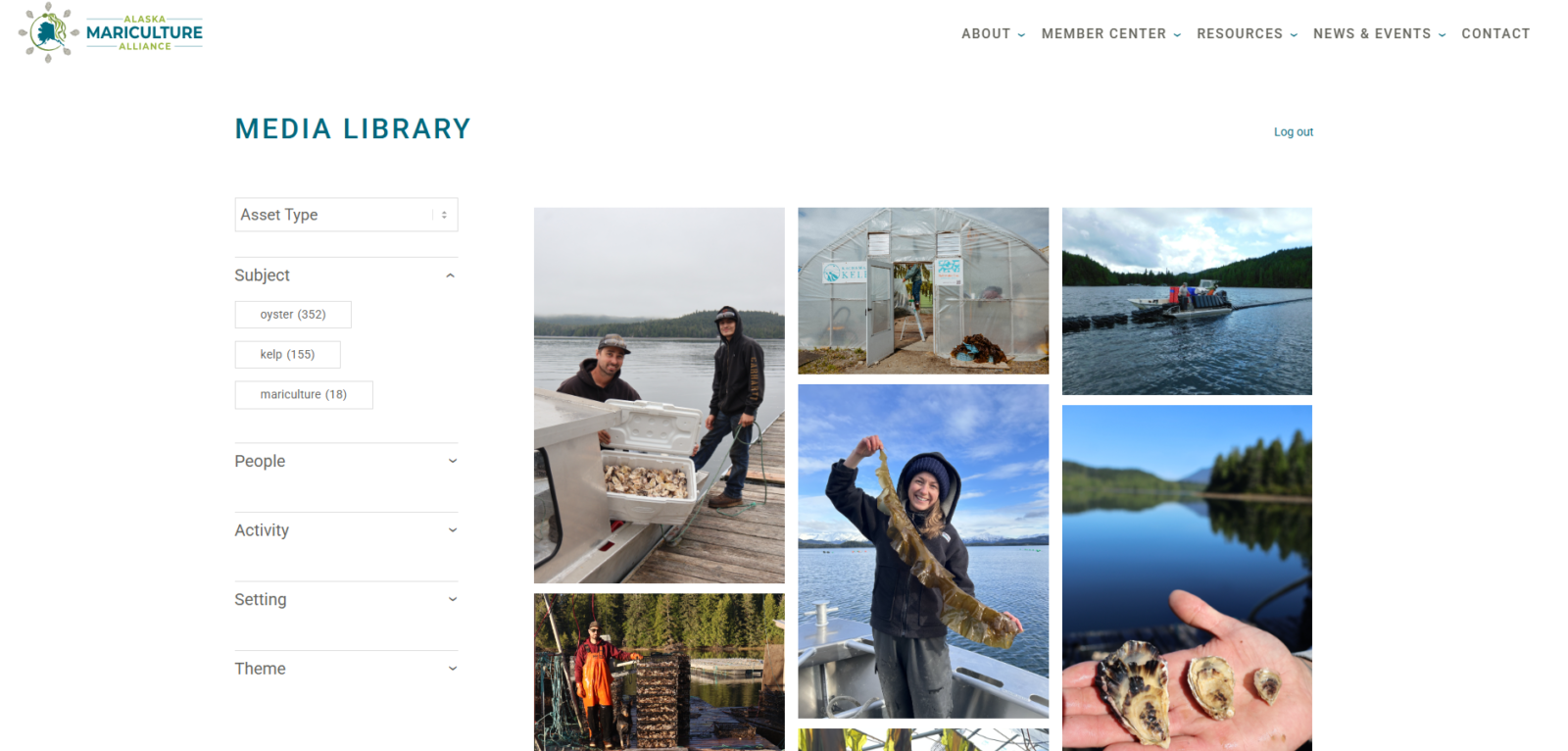
Working with AMC Marketing Program contractors, AMA has released a Mariculture Media Library to provide Alaska mariculture producers with marketing tools, trade show support, media connections, and promotional resources. This library will help ensure that Alaska oysters and kelp reach chefs, distributors, manufacturers, industry partners, and seafood enthusiasts, and it also connects Alaska mariculture business owners to branding resources.
Component #6: Green Energy
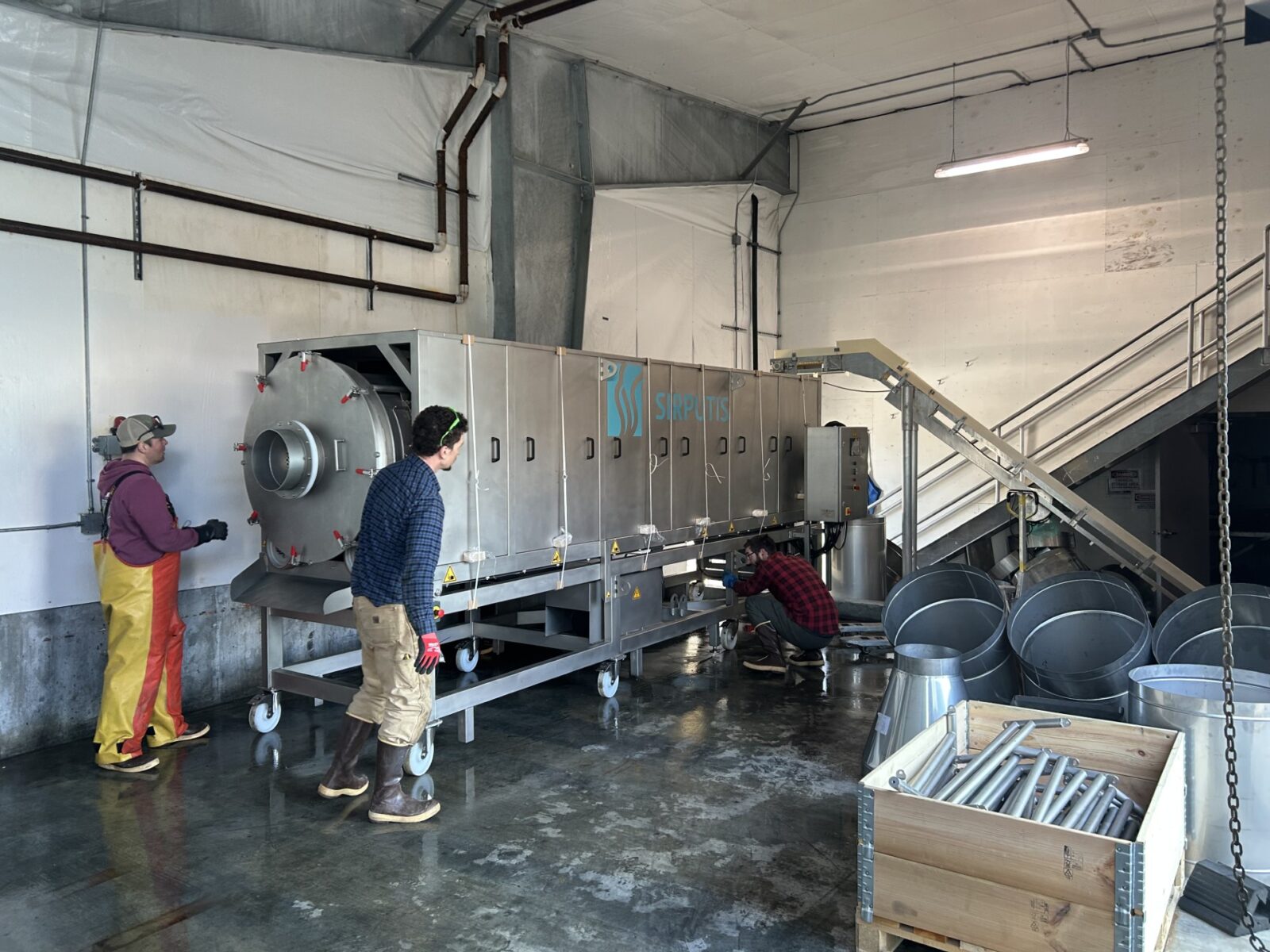
The GEM project continues to collaborate with the AMC-funded kelp dryer in Cordova (pictured below) and log its energy usage with a 3-phase electric power meter. This month, partners set up energy use sensors and honed data collection methods to calculate the unit cost of production in drying seaweed. The GEM team will use this data to model energy use of other kelp drying methods using other data from around the state and will work to create a report about energy use in kelp processing.
Component #7: Equipment & Technology
Kelp Ark, which is leading a Kelp Seed Quality Improvement project, hosted a kelp breeding and seed banking knowledge exchange between Alaska and Korea. At the July 16th meeting, attendees compared perspectives of Korean and U.S. researchers, regulators, and farmers on several aspects of kelp farming that are central to kelp natural and farmed biodiversity. The meeting strengthened relationships between Korean and American scientists and breeders, contributed to kelp farming policy discussions, and helped develop a collaborative, international mariculture network.
Additionally, AMC’s economic research services, conducted by McKinley Research Group, is asking industry members to please respond to their farming and hatchery questionnaires. Survey answers will help AMC continue to collect industry data to guide AMC’s work and address Alaska mariculture priorities. These surveys, and reports created with previous survey findings, can be accessed here.
SEC also continues to work on finalizing funding for previous rounds of equipment awards and has been working with existing subaward recipients to finalize purchasing documents, receive EDA approval, and process invoices for reimbursement. SEC continues to update the AMC website and the Mariculture Equipment Airtable Database with published materials, including final reports, interim project updates, and equipment reimbursement status. On July 21, Southeast Conference published a memo with an update on the Mariculture Equipment Program. This memo, which contains updates on each of the awarded entities, can be read here or found on the Mariculture Equipment Program page.
Component #8: Grant Management
McKinley Research Group, the contractor leading AMC’s Succession Planning program, has begun the succession planning process to help identify areas of need within Alaska’s mariculture industry and create preliminary strategies to address these financial, programmatic, or structural gaps post-grant period. The contractors have been engaging with farmers, processors, and industry members across the state, and will continue to ramp up this work as the summer progresses.
Additionally, Southeast Conference met with a Japanese seaweed trader to exchange knowledge and lay the groundwork for potential future collaboration.
About the Alaska Mariculture Cluster
In September 2022, Southeast Conference was awarded a $49 million U.S. Economic Development Administration (EDA) grant to stimulate private investment and grow Alaska’s mariculture industry to $100 million in sales in 10 years. The Alaska Mariculture Cluster grant involves a large coalition of state agencies, Tribes, non-profits, and others working together over a five year period ending May 2027.
