
Search AMC News
AMC Monthly Update: August 2026
August 31, 2026
Lead Entities: Southeast Conference
Grant Component: Grant Administration
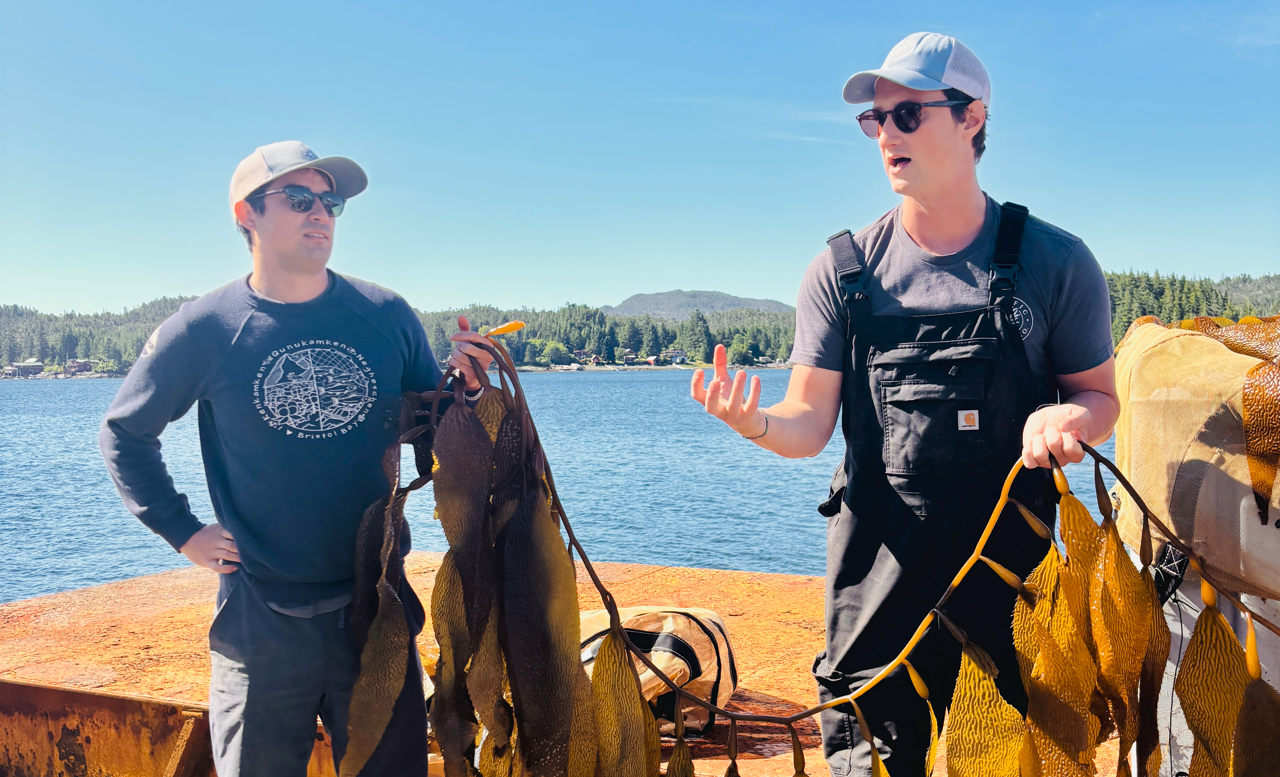
August 2026 brought continued momentum across the Alaska Mariculture Cluster, with new market development efforts, international industry engagement, measurable gains in kelp production, emerging processing capacity, and planning for the industry’s future beyond the life of the grant. Use the links below to jump ahead.
Marketing Program Update
The AMC Marketing Program, which is collaboratively managed by the Alaska Mariculture Alliance (AMA) and Southeast Conference, continues to make impactful progress towards driving demands for Alaska’s mariculture industry. At the end of last month, Tastemaker Comms and Rising Tide Communications presented an update at the AMC Governance Body Meeting, touching on recent Familiarization (FAM) Trips, press coverage, new websites, and brand assets. Watch the presentation below:
More Marketing Program News
TFI Agronomy Conference & Expo
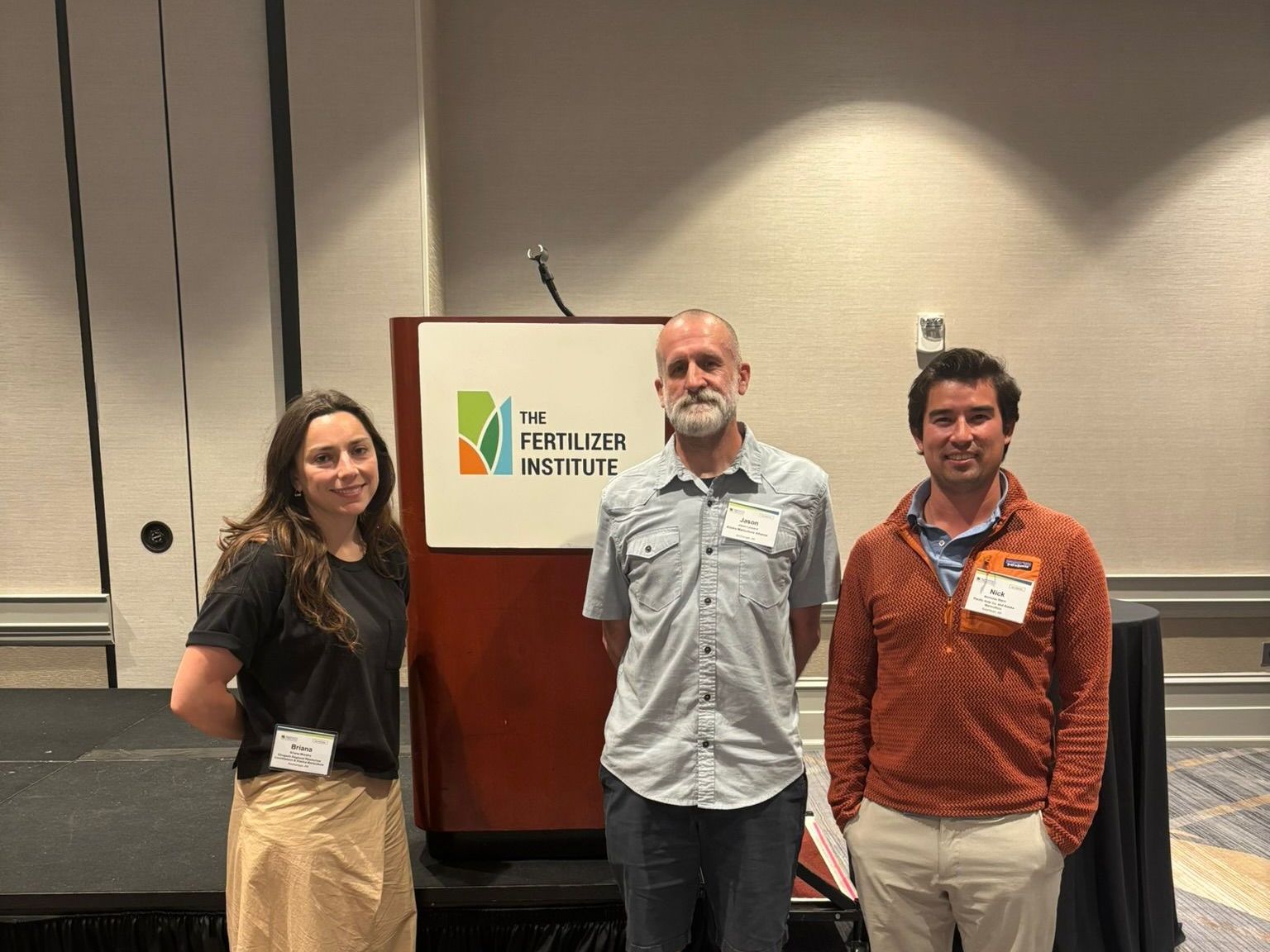
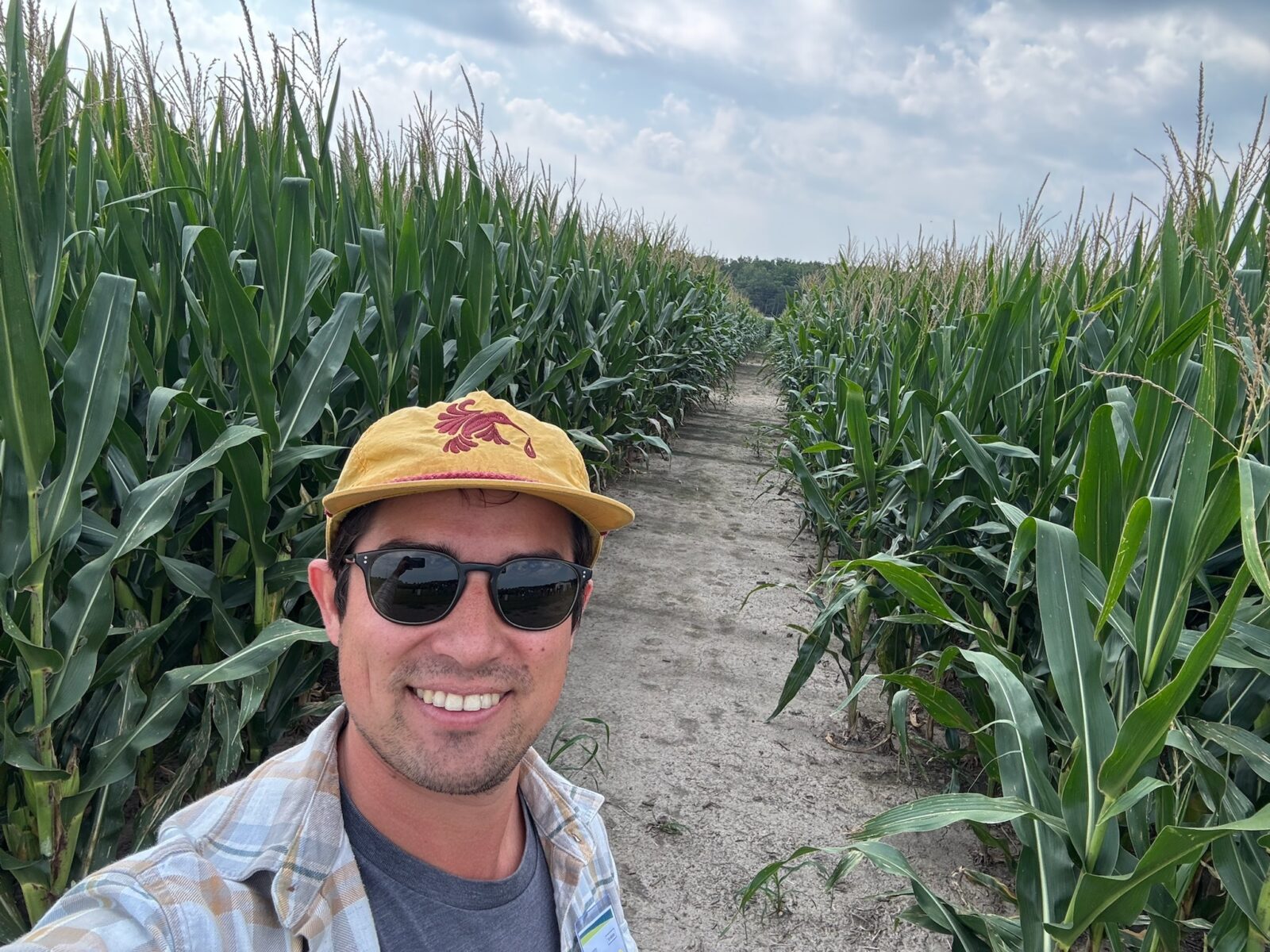
As part of the AMC Marketing Program, AMA’s Executive Director Jason Lessard joined Brianna Murphy (Chugach Regional Resources Commission) & Nick Stern (Pacific Kelp Company) at The Fertilizer Institute (TFI) 2026 Agronomy Conference & Expo in Indianapolis, where they shared about Alaska’s growing kelp industry and kelp-based biostimulants with interested parties from throughout the nation.
Read more about the event in Pacific Kelp Company’s recent newsletter.
It was a great event, full of stimulating expert panels, field visits, and networking with agronomists and farmers from across the Midwest. From a panel covering biostimulants in the Midwest we learned that row crop adoption of biostimulants is climbing and farmer interest is real, but so is the confusion. A lot of growers still don’t have a clear answer to “why this biostimulant, and why now.”
That’s exactly the gap KelpEdge™ is designed to close as a consistent, sustainable, and scientifically validated product farmers and growers can trust to improve yields, profitability, and harvest quality, and not just another jug on a crowded shelf.
Nobody at the conference needed convincing that environmental stress, poor harvest quality, and worsening soil health are real problems farmers are facing every day. What’s missing is a clear answer on which products can reliably solve those issues. That’s our job for the foreseeable future: communicating the case for KelpEdge™ through real trial data and real farmer results.
Note: Nick and Briana are coordinating projects in the AMC-funded Kelp Agricultural Product Development & Testing program.
Learning Trip Report: WWF & SEC Visit Korea
From May 10–15, 2026, Southeast Conference (SEC) participated in the South Korea Seaweed Industry Learning Trip, an immersive study tour organized by WWF-US in partnership with Professor Jang K. Kim of Incheon National University. The trip brought together 20 participants from across the global seaweed investment, research, and industry community to observe firsthand the depth, scale, and structure of South Korea’s mature seaweed sector.
Seaweed Samples to Japan
Southeast Conference (SEC) and the Alaska Mariculture Alliance (AMA) are inviting Alaska seaweed farmers to participate in a 2027 pilot project to grow, harvest, and process samples of three-ribbed kelp (Cymathaere triplicata) for evaluation by a prospective buyer in Japan, Mitsu Company Limited.
In late July and on short notice, Mitsu was able to visit Alaska to learn more about the industry, establish relationships, and sample products that his firm could introduce to Japanese kombu markets. Following his visit, SEC shipped an initial sample of approximately:
- 15 pounds of salt-cured three-ribbed kelp, processed by Kachemak Kelp in Homer
- 1 pound of whole-leaf, cabinet dried three-ribbed kelp, processed by University of Alaska Southeast from its research farm in Sitka
This initial shipment will allow Mitsu to further evaluate the species and the feasibility of salt-curing as product format. The larger 2027 collective sampling effort will provide a clearer understanding of what Alaska can offer. Learn more with the link below:
GreenWave Completes Kelp Seed Quality Improvement Project
This project set out to close that gap by standardizing nursery protocols, upgrading individual nursery infrastructure, introducing new seeding equipment, and—just as important—connecting Alaska’s often-isolated nursery operators into a shared network for troubleshooting and peer learning. Targets for the 2025 production season were for 100% of participating nurseries to supply high-quality spools to farmers, and a 20% increase in yield across Alaskan farms.
Harvest data collected recently through GreenWave’s Kelp Climate Fund program show the investment paid off. The statewide the weighted average of farmed kelp yield across all species rose from about 1.54 lbs/ft in the 2024/25 season to about 2.06 lbs/ft in 2025/26—an increase of 34%, well past the 20% target, and the highest median yield of any season based on our Kelp Climate Fund Records (since 2022-2023.) The weakest-performing farms this season also outperformed the weakest performers in every prior season, meaning fewer farms posted a genuinely bad harvest.
KP3 (Kelp Primary Processing) Project Update
The Sun’aq Tribe is launching the KP³ (Kelp Primary Processing Platform), a modular system capable of producing stabilized kelp products for agriculture, food, and beauty markets. The platform, which was developed with support from Kodiak Ocean Growers, Koniag, and a variety of kelp buyers (including Macro Oceans among others), will be housed at the Sun’aq Tribe’s WildSource seafood processor facility and serve as a shared regional asset to advance economic opportunity, sustainability, and equity in Kodiak’s mariculture industry.
Watch their presentation from the AMC Governance Body meeting:
Succession Plan
As the AMC grant approaches its conclusion, SEC & AMA have contracted with McKinley Research Group (MRG) to help plan for the continuation of key programs, partnerships, and impacts beyond the life of the grant. This succession plan will identify areas of need within Alaska’s mariculture industry and create preliminary strategies to address these financial, programmatic, or structural gaps.
MRG recently began outreach by contacting priority entities, as identified by SEC & AMA, via email. MRG’s inquiry to stakeholders included four questions designed to gather information on planned activities, future staffing, strategic priorities, and funding efforts. The questions asked included:
- What type of mariculture work, if any, does your organization plan to pursue going forward?
- How many employees do you see working on mariculture in future years?
- If you have a strategic plan that mentions mariculture, can we see that language?
- Has your organization secured (or is it seeking) mariculture-specific funding?
Next steps for stakeholder engagement include outreach to a broader network of industry members and leading facilitated group discussions. Work summaries and memos will be published on the AMC website.

